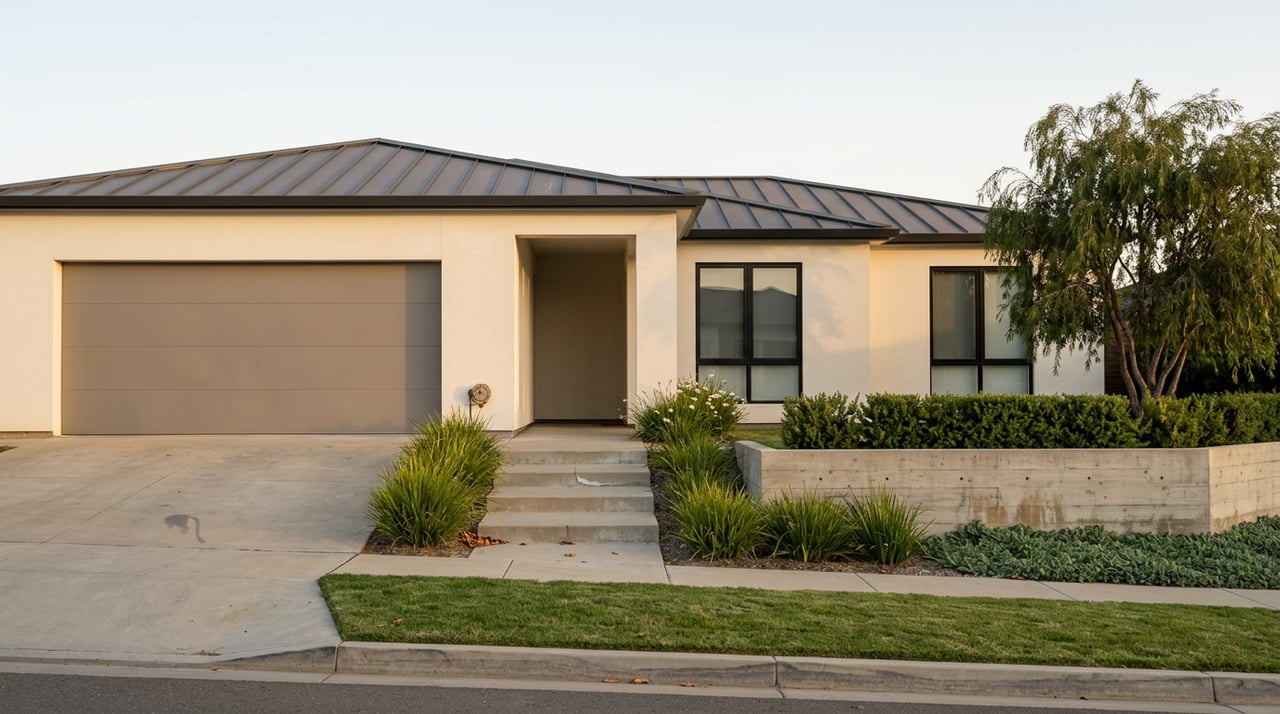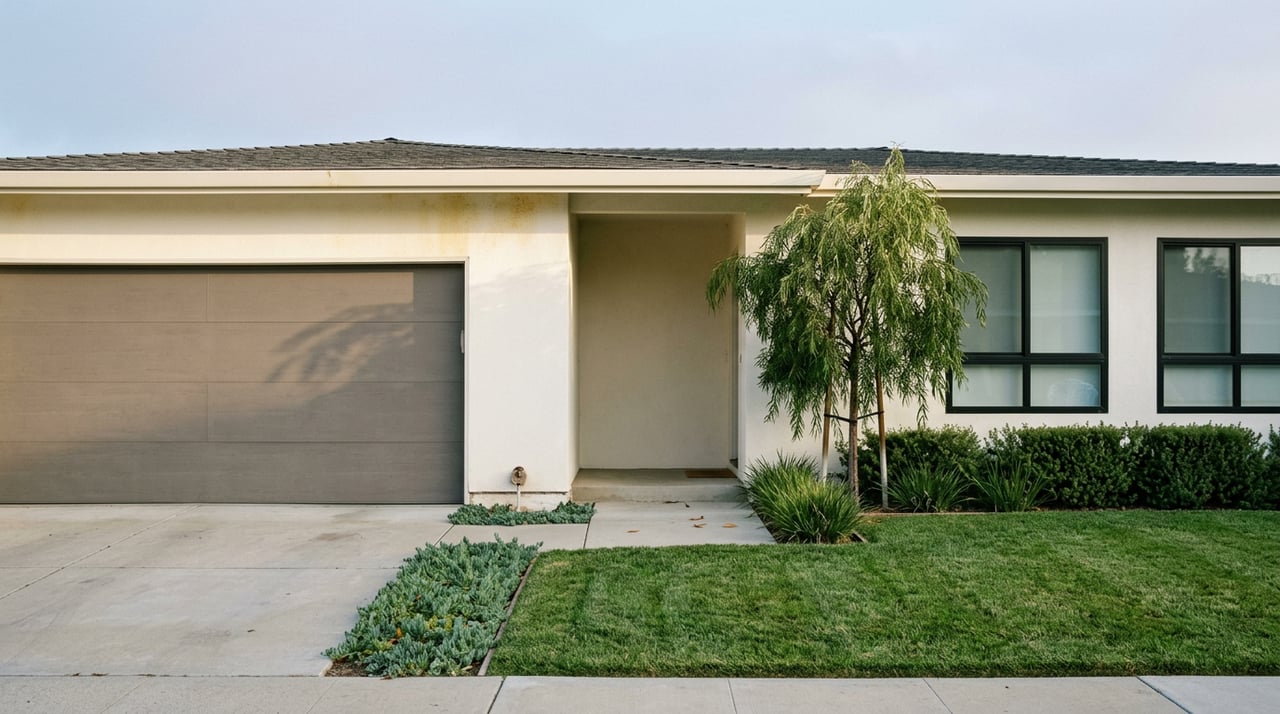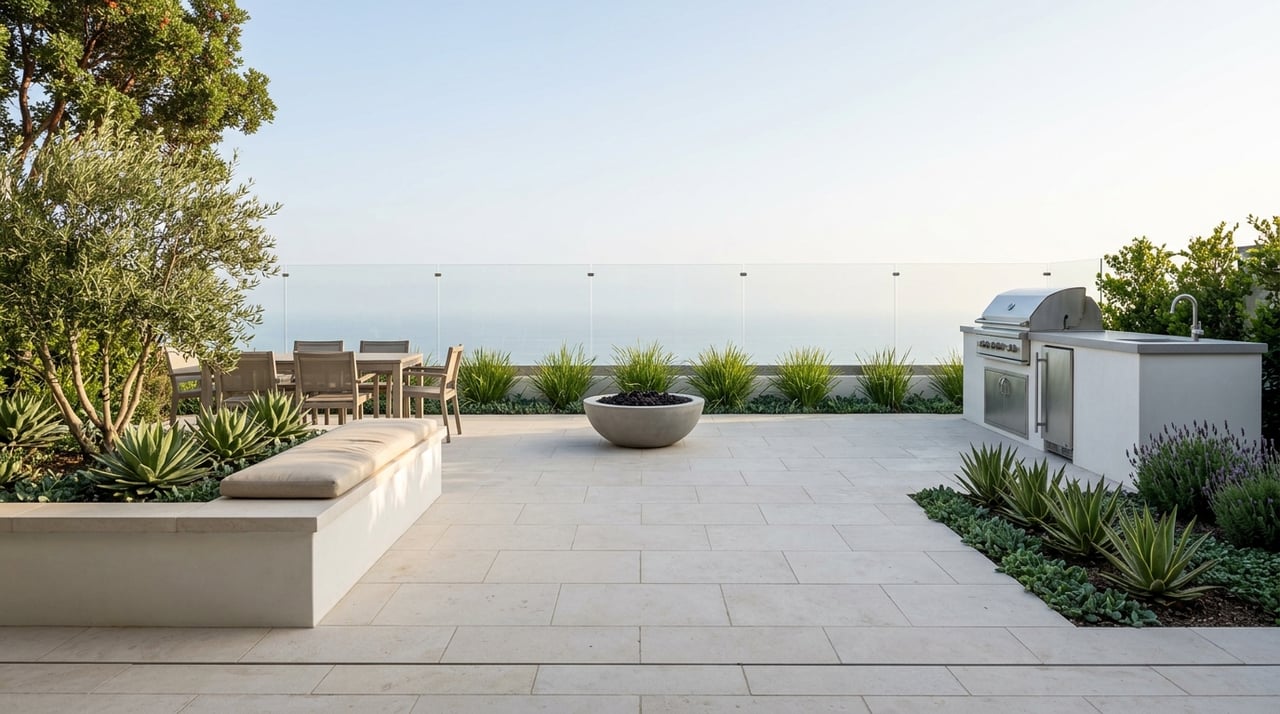
If you want a record sale in Manhattan Beach’s Hill Section, listing your home is only part of the job. In a neighborhood where inventory is tight and buyers move quickly, the homes that stand out usually feel polished, spacious, and ready for the camera from day one. The good news is that you do not need to guess what matters most. With the right prep strategy, you can highlight what buyers already pay a premium for in the Hill Section. Let’s dive in.
Why Hill Section prep matters
The Hill Section is a distinct Manhattan Beach planning area known primarily for single-family homes on slightly larger lots, with commercial and higher-density uses limited to Sepulveda Boulevard and Manhattan Beach Boulevard. That setting gives many homes a different feel from other parts of the city, especially when lot size, elevation, and sightlines come into play.
It is also a selective market. In March 2026, Manhattan Beach had a median sale price of $3.325 million, homes sold in an average of 29 days, and the average home closed about 1% above list price. Redfin also noted that hot homes could sell for about 5% above list price, and Realtor.com showed only seven active Hill Section listings in April 2026.
That combination matters for sellers. When buyers have limited options in a high-price market, they notice presentation details fast. A home that feels clean, open, and visually compelling can create stronger early interest and better offer momentum.
Start with the view story
In the Hill Section, value is often tied to what the eye experiences the moment a buyer walks in. Manhattan Beach’s rolling-hill topography creates public vistas of the coastline and Pacific Ocean, and the city’s land-use policies specifically aim to protect ocean vistas. That makes sightlines a meaningful part of how buyers perceive the home.
Before you make cosmetic updates, audit the view from every major vantage point. Stand at the street, entry, living room, kitchen, primary suite, and any deck or terrace. Then ask one simple question: what should the buyer notice first?
Often, the biggest improvement is subtraction. Strategic pruning, cleaner windows, simplified decor, and less visual clutter near glass walls can do more for impact than adding another finish or accessory. In a Hill Section home, clear sightlines can make rooms feel more valuable without changing the structure.
What to remove first
- Overgrown landscaping that interrupts sightlines
- Heavy window treatments that block natural light
- Oversized furniture near windows and sliders
- Extra accessories on terraces and balconies
- Personal items that pull attention away from the home itself
Reset the layout before styling
One of the most effective ways to prepare a luxury listing is to improve flow. According to the National Association of Realtors, staging is often about rearranging furniture, packing away personal items, and removing excess pieces so rooms feel larger and easier to navigate. That approach is especially useful in homes where you want the architecture, light, and openness to lead.
Start with fewer, larger pieces instead of too many small ones. A room with breathing space usually reads better in person and in photography. Buyers should be able to move easily through the home and understand how each room works without distraction.
Closets also deserve attention. Keeping closets about half full helps them feel more spacious, which supports the overall impression that the home is well-sized and well-kept. In a competitive market, that kind of visual calm can make a real difference.
Focus on flow, not decorating
- Remove bulky furniture that narrows walkways
- Pack away family photos and highly personal collections
- Clear surfaces so focal points stand out
- Edit bookshelves and built-ins to reduce visual noise
- Keep storage spaces neat and partially open
Prioritize the rooms buyers notice most
Not every room carries the same weight. NAR’s 2025 survey found that the most commonly staged spaces were the living room, primary bedroom, dining room, and kitchen. The living room led at 91%, followed by the primary bedroom at 83%, dining room at 69%, and kitchen at 68%.
If you are preparing for a record-minded sale, start there. These are the rooms that shape first impressions, drive emotional connection, and support the perceived quality of the entire property. Once those spaces are dialed in, you can move to outdoor areas, a home office, or bonus rooms.
Living room
Your living room should feel open, grounded, and oriented around the home’s best features. That may be a fireplace, a wall of glass, or a view corridor. Use furniture placement to support conversation and flow, but do not let seating interrupt the room’s sightlines.
Primary bedroom
The primary bedroom should feel quiet and generous. Fresh bedding, edited nightstands, soft layers, and clear floor space help create that effect. Buyers are often responding to a feeling here, so simplicity works better than over-styling.
Dining room
A dining room should read as useful and inviting. Keep the table scaled correctly for the room and avoid crowding it with too many chairs or accessories. The goal is to show easy entertaining, not to fill every inch.
Kitchen
In the kitchen, clean surfaces do the heavy lifting. Clear counters, organized open shelving, polished fixtures, and balanced lighting help the room look current and functional. Even in a luxury home, buyers tend to respond best when the kitchen feels bright, usable, and easy to maintain.
Make outdoor living feel essential
In Manhattan Beach, outdoor space is not just a bonus. The city reports an average temperature of 62.9 degrees, summer highs around 85 degrees, winter lows around 49 degrees, and average annual rainfall of 13.6 inches. That mild climate helps patios, decks, and entertaining areas feel like true extensions of the home.
For Hill Section sellers, outdoor prep should be intentional. A buyer should be able to understand how to use each exterior area within seconds. That could mean defining a dining zone, a lounge zone, or a simple transition between indoor and outdoor living.
If you have a deck, terrace, or pool area, treat it like a finished room. Sweep surfaces, simplify furniture, refresh planters, and keep pathways clear. Outdoor staging was included in 31% of cases in NAR’s 2025 staging snapshot, which shows that exterior presentation plays a meaningful role in buyer perception.
Prepare for photos and video early
Premium marketing starts before the listing goes live. NAR found that photos were important to 88% of sellers’ agents’ clients and videos to 47%. In a luxury coastal market, that means camera readiness is not a final step. It is part of the preparation plan.
As you get your home ready, think about every room through the lens of photography and video. Smudged glass, uneven bedding, cluttered counters, and patchy landscaping can all stand out more on camera than they do in person. On the other hand, clean lines, natural light, and a clear focal point can make your home feel stronger online before a showing is ever scheduled.
A polished presentation is especially important in the Hill Section because buyers may decide quickly whether a property feels worth touring. When your online debut matches the home’s in-person quality, you give your listing a better chance to create urgency.
Check city rules before making improvements
If you are making last-minute changes before listing, be careful not to assume every project is simple. Manhattan Beach building regulations are in Title 9 of the municipal code, and the city currently uses the 2025 California Building Standards Code. Even relatively common exterior or structural work can trigger review requirements.
Tree work is one of the most important examples. If tree removal, grading, trenching, or demolition affects a protected tree, the city requires a Tree Permit along with the Building Permit. The city also has a formal tree-permit process through its Citizen Self Service portal, including inspection and final approval before work begins.
Decks and balconies also have rules. Manhattan Beach code excerpts show that a deck or balcony above a second or third story is allowed only when height and setback criteria are met, including a surface elevation no higher than 9 feet below the height limit. If you are thinking about modifying an upper-level outdoor space for sale prep, confirm the requirements first.
City planning documents also note that certain private improvements in the public right-of-way, including retaining walls, staircases, and landscaping, are regulated to avoid obstructions to scenic vistas and views. If an improvement touches frontage conditions or visibility, it is smart to verify the city process before starting work.
A practical prep sequence for sellers
If you want a simple roadmap, focus on the steps in this order:
- Audit the view from the street, entry, main living spaces, and outdoor areas.
- Remove visual blockers like overgrown landscaping, bulky furniture, and heavy window coverings.
- Reset the floor plan so rooms feel larger, easier to navigate, and less personal.
- Stage the key rooms first: living room, primary bedroom, dining room, and kitchen.
- Define outdoor living areas so patios, decks, and terraces feel usable and intentional.
- Finish with camera-ready polish like clean glass, fresh bedding, spotless surfaces, and manicured landscaping.
- Verify permits or city rules before doing tree work, deck changes, or other regulated improvements.
This sequence helps you focus on what buyers are most likely to notice first. It also keeps you from overspending on updates that do not improve the overall presentation.
Record-sale preparation is strategic
A record sale is not about making your home look generic. It is about making the home’s strongest qualities easy to see, easy to feel, and easy to remember. In the Hill Section, that often means protecting sightlines, simplifying layout, elevating outdoor living, and presenting every space with purpose.
When inventory is limited and buyers are paying close attention, thoughtful preparation can sharpen your pricing power and your first impression at the same time. That is where local strategy matters most.
If you are thinking about selling in the Hill Section and want a tailored plan for positioning your home, Rachel Ezra offers a warm, concierge-level approach backed by deep Manhattan Beach market knowledge and premium listing presentation.
FAQs
What matters most when preparing a Hill Section home for sale?
- The biggest priorities are clear sightlines, an open layout, polished key rooms, intentional outdoor living areas, and camera-ready presentation.
Which rooms should you stage first in a Manhattan Beach luxury home?
- Start with the living room, primary bedroom, dining room, and kitchen, since those rooms are most commonly staged and often shape buyer impressions the fastest.
Does outdoor space help a Hill Section home sell?
- Yes. Manhattan Beach’s mild climate helps patios, decks, and entertaining areas feel like usable living space, so outdoor presentation can add meaningful appeal.
Should you improve the view before listing a Hill Section property?
- In many cases, yes. Strategic pruning, cleaner windows, and removing visual clutter can improve sightlines from major rooms and outdoor areas.
Do you need permits for exterior work before listing in Manhattan Beach?
- You may. Tree removal, grading, trenching, demolition affecting protected trees, and some deck or balcony changes can require city review or permits, so it is important to confirm requirements before starting work.