Ever pictured stepping from your living room onto the sand in seconds? Buying on The Strand in Manhattan Beach puts you on the front row of coastal living, but it also comes with unique rules, risks, and rewards. If you are weighing a trophy lifestyle purchase or a savvy investment, understanding the details will protect your time and your capital. In this guide, you will learn how Strand value works, what to know about short‑term rentals, permits and coastal rules, hazard and insurance realities, privacy, and a clear due‑diligence checklist. Let’s dive in.
What The Strand is
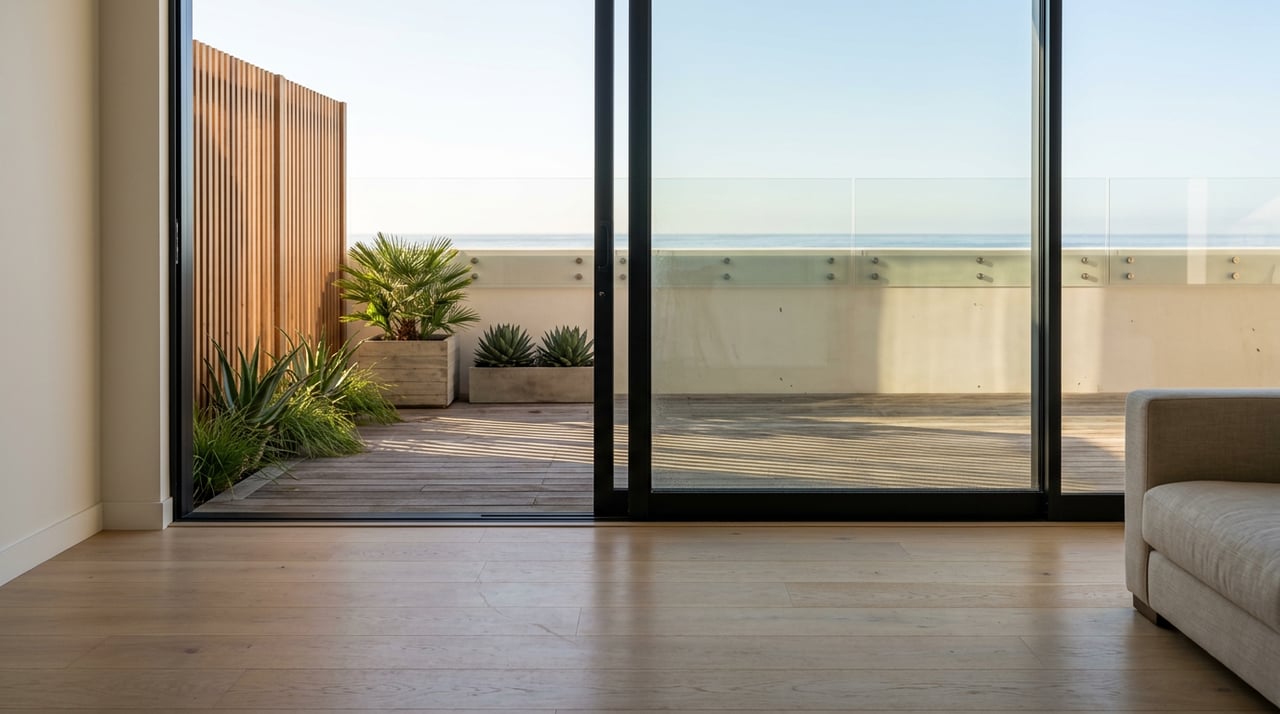
The Strand is the paved public walkway that runs along Manhattan Beach’s oceanfront. Homes on The Strand sit directly along this promenade or across from it, fronting the beach with panoramic views. The City treats the Strand and adjacent greenbelt as public recreation facilities and maintains amenities there. You can confirm the City’s description in its public facilities overview for the area, which outlines this popular coastal corridor and its use by residents and visitors alike (City of Manhattan Beach public facilities overview).
Who buys on The Strand
You will find two main buyer types here: lifestyle buyers who want a once‑in‑a‑lifetime oceanfront home, and investors seeking rare, irreplaceable assets with potential for permitted short‑term rental income. Supply is extremely limited because first‑row frontage is finite. That scarcity supports pricing, especially for lots with the strongest views, buildability, and privacy solutions.
Core value drivers
Every Strand property is unique, but several factors consistently drive value:
- First‑row frontage and linear feet of Strand exposure. More frontage often means bigger views and better design options.
- Unobstructed ocean views. Orientation and neighboring structures matter. Small changes in height or sightlines can be meaningful.
- Direct beach access. The relationship between your house, the public walkway, and the sand affects both daily life and price.
- Lot size and buildability. Width, depth, and any recorded restrictions influence what you can remodel or rebuild.
- Elevation and flood exposure. Higher finished floors and less exposure to flooding can add value over time.
- Regulatory product. If a home clearly qualifies for short‑term rental operation under City rules, that can add near‑term revenue. It also adds management requirements and compliance risk (City STR operational summary).
A final note on pricing: publicly reported medians for Manhattan Beach subareas are in the multi‑million‑dollar range. For a Strand acquisition, recent closed sales on the same block are far more useful than broad neighborhood medians.
Short‑term rentals: rules and realities
Manhattan Beach regulates short‑term rentals, collects Transient Occupancy Tax (TOT), and publishes guidance on eligibility in the coastal zone. Do not assume a specific property is eligible until you confirm details with the City. If STR income matters to your plan, verify three things: the property’s coastal‑zone status, that required off‑street parking and other conditions are met, and that no recorded restrictions prohibit STRs (City TOT information and contacts).
If a property is eligible and you proceed, the City typically requires a permit or registration and strict operational steps. Common conditions include posting the permit number in ads, designating a local 24/7 contact, keeping records, distributing a Good‑Neighbor brochure to guests, meeting off‑street parking requirements, and remitting TOT. The City notes that a lack of required parking can trigger permit denial, which is material to your underwriting (City STR operational summary).
Coastal permits and public access
The California Coastal Act prioritizes public coastal access, and Manhattan Beach implements this through a certified Local Coastal Program. Many changes to Strand homes, especially additions or any work seaward, can require a Coastal Development Permit. Because Strand parcels lie within areas where the state retains limited appeal jurisdiction, certain approvals can be appealed to the California Coastal Commission. Plan for longer timelines and careful design review if you intend to remodel or rebuild (Coastal Commission report on local coastal programs).
Public access also shapes what you can build. Offers‑to‑Dedicate (OTDs) and lateral access easements are common on oceanfront lots. Limits on fencing, gates, and other barriers protect the public’s use of the Strand and beach. Recorded access rights and the shifting nature of the mean high tide line can affect how seaward improvements are treated. Review local code for public access standards and expect those requirements to frame project design and approvals (Manhattan Beach municipal code reference).
Design and construction on the coast
Marine environments are hard on buildings. Salt air, wind, and UV exposure increase corrosion and weathering, which drives up maintenance costs and informs your material choices. You will want marine‑grade fasteners, corrosion‑resistant hardware, high‑performance coatings, and impact‑rated glazing where appropriate. These specifications are common best practices in coastal engineering guidance and help extend the life of your exterior systems (Coastal engineering and construction guidance).
Storm hardening and elevated living areas are also common features that reduce damage risk and can make insuring the property easier. Any design that changes setbacks or encroaches seaward can bring Coastal Development Permit review and the possibility of appeal. Engaging a local architect and coastal land‑use consultant early will help you balance beauty, function, and permitability (Coastal Commission report on local coastal programs).
Flood, sea‑level rise, and insurance
Flood insurance pricing through FEMA’s Risk Rating 2.0 is now more parcel‑specific, which means your premium depends on exposure, replacement cost, and other features of the home. On oceanfront parcels, you should expect higher premiums or larger deductibles in some cases. Obtain National Flood Insurance Program (NFIP) quotes and private market options early in due diligence so you can budget accurately and shape your offer with confidence (FEMA Risk Rating 2.0 overview).
For long‑term planning, review sea‑level rise scenarios and storm surge mapping. State and federal tools can help you visualize different time horizons and how they could affect future carrying costs, armoring decisions, and resale value. Running these scenarios now will help you decide where to price risk into your offer and whether to invest in mitigation or design choices that lower exposure over time (State sea‑level rise resources).
Privacy and everyday life
Life on The Strand is active and social. Joggers, cyclists, families, and event attendees move along the promenade from morning to evening, especially near the pier and during peak seasons. You should expect less privacy than inland streets. Design helps, but public‑access rules limit what you can do at the front of the property. Schedule multiple site visits on different days and times to experience traffic, noise, and light patterns firsthand (City public facilities overview).
Your due‑diligence checklist
Use this prioritized list before you write an offer:
Title and recorded instruments. Order a preliminary title report and check for public access easements, recorded OTDs for lateral access, deed restrictions, state tidelands interests, and any special assessments. These can shape your use and future plans (Coastal Commission report on local coastal programs).
Survey and ALTA. Commission an up‑to‑date ALTA survey showing parcel lines, the walk street, any easements, and the relationship of improvements to the ambulatory mean high tide line.
Coastal permit history. Pull the full planning and building permit history, including any coastal permits. Ask City planning staff whether your proposed improvements would require a Coastal Development Permit or fall within an appealable area (Coastal Commission report on local coastal programs).
FEMA flood zone and Elevation Certificate. Verify the FEMA map designation and obtain an Elevation Certificate if available. Ask the seller about any flood claims. Use this data to model NFIP and private flood insurance under Risk Rating 2.0 (FEMA Risk Rating 2.0 overview).
Insurance pre‑quotes. Get early confirmation of availability and limits for homeowners, flood, and, if you plan to remodel, builder’s risk. Carrier appetites can change quickly on the coast.
STR permit and TOT status. If rental income is part of your plan, verify permit history, transferability, required parking, any complaints, and TOT remittance records. Confirm the precise conditions a new owner must meet (City STR operational summary, City TOT information).
HOA or CC&Rs. If applicable, review rental restrictions, guest policies, and enforcement history.
Specialist inspections. Hire a coastal engineer for shoreline stability, a structural inspector with coastal experience for foundations and any seawalls, and an architect who understands local coastal constraints.
Lifestyle checks. Walk the block at different times. Note parking patterns, deliveries, and special events that can affect day‑to‑day living.
Common red flags
Watch for issues that should reduce your offer or require escrowed remediation funds:
- Unpermitted seawall or shoreline armoring without a historic coastal permit.
- Recorded OTDs or easements that reduce usable outdoor space more than expected.
- Recent flood or insurance claims that signal rising premiums.
- Insufficient off‑street parking for STR eligibility under City standards.
- Unresolved Coastal Commission appeals, pending enforcement actions, or unpermitted work.
- Written indications that an insurer will not renew or will cap coverage at a level below your risk tolerance.
Buying strategy for The Strand
Start with block‑level comparables and walk the frontage to confirm view corridors and privacy. If you plan a remodel, bring your architect and coastal consultant to the second showing to discuss what is feasible. Price your offer with insurance realities and potential coastal permitting timeline in mind. If STR income is part of your plan, run two valuations: one for personal use or long‑term rental, and one for short‑term rental that includes all permit, parking, management, and TOT costs.
Finally, line up the right team. You will benefit from a local agent who knows Strand inventory and City processes, plus engineers, architects, and insurers who work on coastal properties every day. This combination helps you avoid surprises, control timelines, and buy with confidence.
If you are ready to explore current Strand opportunities or want a tailored walk‑through of due diligence for a specific address, reach out to Rachel Ezra. You will get neighborhood‑level insight, concierge guidance, and the marketing reach of Vista Sotheby’s to help you secure the right home at the right terms.
FAQs
What is The Strand in Manhattan Beach?
- The Strand is the public promenade that runs along the beach, and Strand homes sit directly on or across from this walkway with unobstructed ocean views.
Are short‑term rentals allowed on The Strand?
- Some coastal‑zone properties can operate STRs if they meet City conditions, have required parking, and obtain permits and register for TOT per City guidance.
Do I need a Coastal Development Permit to remodel?
- Many Strand projects require a Coastal Development Permit and some approvals can be appealed to the Coastal Commission, so plan for added review time.
How high are flood insurance costs for Strand homes?
- Under FEMA’s Risk Rating 2.0, premiums depend on parcel‑level risk and replacement cost, so get NFIP and private quotes during due diligence.
What affects privacy on The Strand?
- The promenade is active most days, especially near the pier, so expect regular foot and bike traffic that reduces privacy compared with inland streets.
What due‑diligence items matter most before I bid?
- Verify title easements, coastal permits, flood zone and elevation, insurance availability, STR eligibility and parking, and obtain specialist inspections.