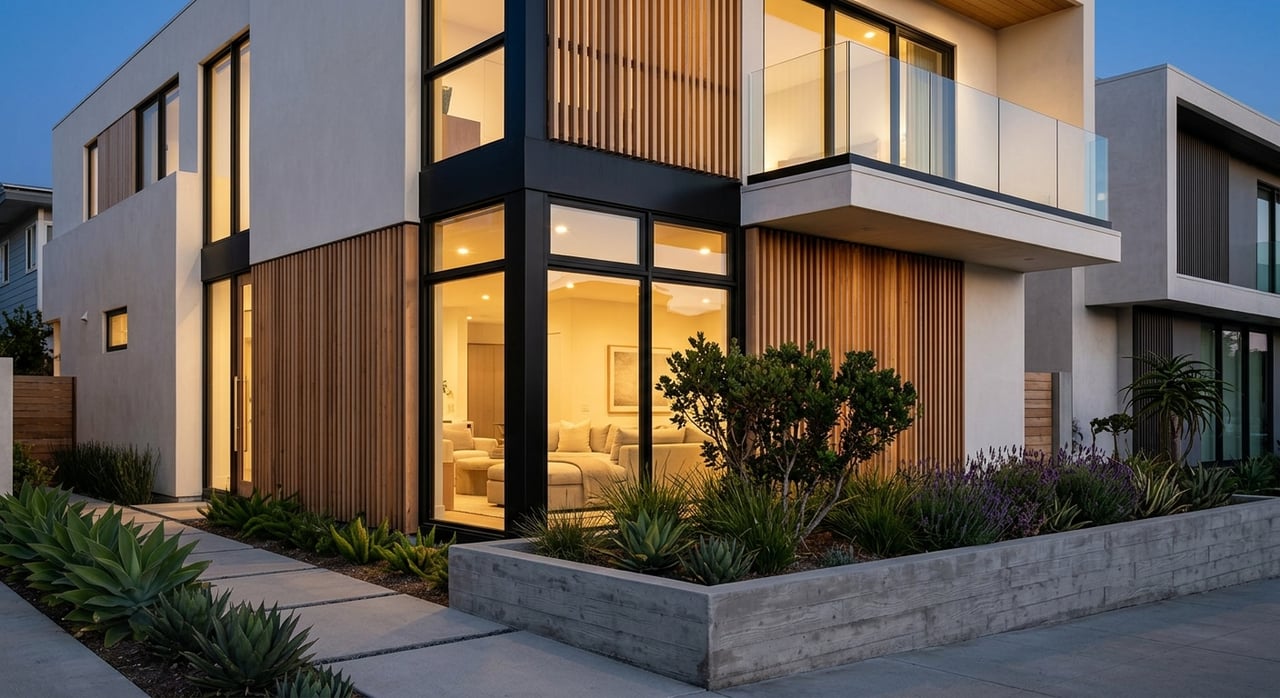
Moving to Manhattan Beach from out of state can feel exciting and overwhelming at the same time. You are likely balancing a major purchase, a new location, and limited time on the ground to evaluate homes and neighborhoods in person. The good news is that with the right local guidance, a clear process, and strong preparation, you can buy with confidence from afar. Let’s dive in.
Start With the Manhattan Beach Market
Manhattan Beach is a small coastal city with a distinct identity and a premium price point. The city describes it as a beach town with a balanced, laid-back, classic, upscale, and family-friendly lifestyle, with well-known areas including North Manhattan Beach, the Strand, walk streets, Highland Avenue, the pier, and Manhattan Village. The city also notes that North Manhattan Beach is about 10 minutes south of LAX, which can matter if you expect to travel back and forth often.
For out-of-state buyers, the biggest practical takeaway is simple: prepare before you tour. According to Zillow’s Manhattan Beach market data, the average home value was $3,227,202 and the median sale price was $3,126,833 as of February 28, 2026, with homes going pending in around 13 days. In a market where good homes can move quickly, having your financing, priorities, and due diligence plan ready can make a real difference.
Focus on Neighborhood Fit
When you are buying remotely, choosing the right area is just as important as choosing the right house. Manhattan Beach may look compact on a map, but its planning areas have different housing patterns, street experiences, and parking realities.
According to the city’s housing planning materials, Beach Area includes much of the city’s multi-family rental housing and has limited parking supply. Hill Section is primarily single-family. East-side and Manhattan Village include a mix of residential, commercial, office, and condo properties. Tree Section is almost entirely single-family, while El Porto is the northern coastal area with mixed residential and commercial uses and some of the city’s highest residential intensities.
If you are narrowing options from another state, ask your agent to help you compare neighborhood feel in practical terms, such as:
- Housing type and lot patterns
- Street activity and nearby commercial uses
- Parking setup for daily life and guests
- Proximity to the beach, main roads, and LAX
- Condo versus single-family ownership considerations
This kind of block-by-block context is often hard to capture from listing photos alone.
Understand Parking Before You Commit
Parking is one of those details that can shape daily life more than buyers expect, especially in a coastal market. Two homes with similar price tags can offer very different ownership experiences depending on garage access, public parking conditions, and guest parking options nearby.
The City of Manhattan Beach notes that public parking pads in the Sand, Dune, and Tree sections are public right-of-way and must remain open to the public. The city also offers overnight residential parking permits only for selected beach lots, including the Upper Pier Lots, the 26th Street Lot, and the El Porto Lot, as explained on the city’s public parking information page.
For a remote purchase, it is smart to request more than a driveway photo. Ask for a detailed explanation of the parking situation on the property and on the surrounding block so you know what to expect after closing.
Use a Remote-Buyer Search Process
A successful out-of-state purchase usually starts with a more disciplined search process. In Manhattan Beach, where neighborhood differences matter and pricing is high, you want enough information to rule homes in or out before you spend time and money traveling.
A strong remote-buyer process can include:
- Live video tours so you can ask questions in real time
- Recorded walkthroughs for later review
- Floor plans to understand layout and flow
- Street-level video to show the block, nearby buildings, and traffic patterns
- Clear notes on condition, natural light, storage, and parking
This approach is especially helpful in a market with distinct planning areas and a fast pace. It lets you compare homes more efficiently and decide when an in-person visit is worth it.
Verify School Information Directly
If school enrollment is part of your decision, confirm details directly with the district rather than relying on listing remarks. Boundaries and eligibility should always be verified with the official source.
The Manhattan Beach Unified School District states on its permit and attendance information page that TK through 8 attendance is based on Manhattan Beach ZIP code 90266, while grades 9 through 12 include 90266 and Hermosa Beach 90254. The district also states that residents within district boundaries receive enrollment priority.
If this matters to your move, ask questions early so you can factor timing and address details into your search.
Review Disclosures Early
When you live out of state, it is easy to underestimate how important the disclosure timeline can be. In California, disclosure documents are not just routine paperwork. They are a key part of your decision-making process.
The California Department of Real Estate explains in its consumer guide that the Real Estate Transfer Disclosure Statement must be provided to a prospective buyer as soon as practicable and before transfer of title. The guide also explains that agency relationship disclosures are required, and that late delivery of certain disclosures can create a buyer’s right to terminate.
For remote buyers, early disclosure review matters because you cannot casually stop by the property again if a question comes up. You want time to read, ask follow-up questions, and coordinate inspections before your contingency deadlines expire.
Pay Special Attention to Older Homes
If the home was built before 1978, federal lead-based paint disclosure rules apply. The EPA states that sellers and agents must provide known information about lead-based paint and related hazards before a buyer is obligated under a contract, along with the required educational materials, as outlined on the EPA’s real estate disclosure page.
That does not mean older homes should be avoided. It means you should know what documentation to expect and review it carefully.
Request HOA Documents Right Away
For condos and townhomes, ask for HOA materials as early as possible. The California Department of Real Estate points buyers toward governing documents and financial information for common-interest developments in its consumer guidance.
From out of state, you may have fewer chances to evaluate how a complex is run, how common areas are maintained, or how rules may affect your use of the property. Early document review gives you more time to understand those details.
Add Coastal Due Diligence
Buying near the coast comes with extra questions that are worth asking before you close. Even if a home looks turnkey, you should still understand site conditions and future considerations that may affect ownership costs or maintenance planning.
The city’s Look Ahead MB project includes 360-degree virtual reality tools and sea-level-rise models for areas such as Bruce’s Beach, the Manhattan Beach Pier, and El Porto. For buyers, this is a helpful reminder to ask informed questions about flood exposure, drainage, and insurance as part of your due diligence.
A local agent can help you identify which questions make sense for a specific property and when to bring in the right professionals for additional review.
Write a Clean, Ready Offer
In a high-price market, preparation behind the scenes often matters just as much as the number on the page. If a home is a strong fit, you want to be in a position to act without scrambling.
Based on current market conditions, a practical remote-buyer offer package may include:
- Strong preapproval or proof of funds
- A clear financing plan
- A well-organized timeline for disclosures and inspections
- Contingency periods that are short but still realistic for your situation
Because homes can move quickly in Manhattan Beach, this level of readiness can help you compete while still protecting your ability to evaluate the property carefully.
Plan for In-Person Signing Logistics
One common misconception is that every part of a California closing can be handled through full remote online notarization. At least for now, that is not the case.
According to the California Secretary of State’s current notary handbook, California notaries may perform electronic notarizations when the signer physically appears, but California notaries cannot yet perform remote online notarizations through audio-video communication until the state completes its technology project or January 1, 2030, whichever comes first.
That means you should discuss signing logistics early with your lender, title company, and agent. In many cases, out-of-state buyers should expect to use a mobile notary or another in-person signing solution unless a confirmed alternative workflow is available.
Prepare for Ownership After Closing
A smooth purchase does not end at the closing table. If you will be an absentee owner, you should have a basic post-close plan in place before the keys change hands.
Los Angeles County states in its secured property tax FAQ that annual secured property tax bills are mailed in October, with installments due November 1 and February 1. The county also offers a third-party property tax notification program that can send copies of defaulted tax bills to a designated third party.
A simple absentee-owner checklist may include:
- Confirm where tax bills and ownership mail will be sent
- Consider third-party tax notice enrollment if helpful
- Transfer or set up utilities
- Create a vendor contact list for maintenance needs
- Arrange ongoing property oversight if the home will not be occupied full time
This is where having a trusted local resource can add real value, especially if you want support beyond the purchase itself.
Why Local Guidance Matters More From Afar
Buying in Manhattan Beach while living out of state is absolutely doable, but it works best when the process is organized around your distance from the market. You need more than listings in your inbox. You need neighborhood context, honest video feedback, a clear disclosure strategy, and practical help with inspections, timelines, and closing logistics.
That concierge approach can reduce surprises and help you make stronger decisions in a market where both pricing and timing matter. If you are considering a move, second home, or investment purchase in Manhattan Beach, connecting with a local expert early can make the whole experience more efficient and far less stressful.
If you want a guided, high-touch approach to buying from out of state, Rachel Ezra can help you navigate Manhattan Beach with local insight, responsive communication, and concierge-level support from search to closing.
FAQs
How can you buy a home in Manhattan Beach while living out of state?
- Start with a clear budget, strong financing, neighborhood priorities, and a remote search process that includes live video tours, recorded walkthroughs, disclosure review, and inspection coordination.
What Manhattan Beach neighborhoods should out-of-state buyers compare first?
- Many buyers begin by comparing Beach Area, Hill Section, East-side or Manhattan Village, Tree Section, and El Porto because the city identifies these areas as having different housing types, density patterns, and parking conditions.
What should remote buyers know about Manhattan Beach parking?
- Parking can vary significantly by area, and the city notes that some public parking pads are public right-of-way while overnight residential permits are limited to selected beach lots, so it is worth reviewing parking details before making an offer.
How do you verify school attendance information for a Manhattan Beach home?
- Verify enrollment and attendance information directly with Manhattan Beach Unified School District rather than relying on a listing, since district guidance should be confirmed through the official source.
What disclosures matter most when buying a Manhattan Beach home from another state?
- California transfer disclosures, agency disclosures, lead-based paint disclosures for pre-1978 homes, and HOA documents for condos or townhomes should all be reviewed as early as possible.
Can you sign Manhattan Beach closing documents remotely?
- Not fully in all cases, because California does not yet allow standard remote online notarization by audio-video communication, so many buyers should plan for a mobile notary or another in-person signing option.