Is one neighbor’s home really worth more just because you can see Catalina from the living room? On the Palos Verdes Peninsula, the answer is often yes. If you are buying or selling in 90274, a property’s view corridor can be the single biggest driver behind a price jump or a disappointing comp.
This guide unpacks how view corridors work, why they change values, and how you can evaluate permanence versus risk. You will learn what to look for on a showing, how appraisers treat views, and the steps that help you protect value when you go to market. Let’s dive in.
Why views drive value in 90274
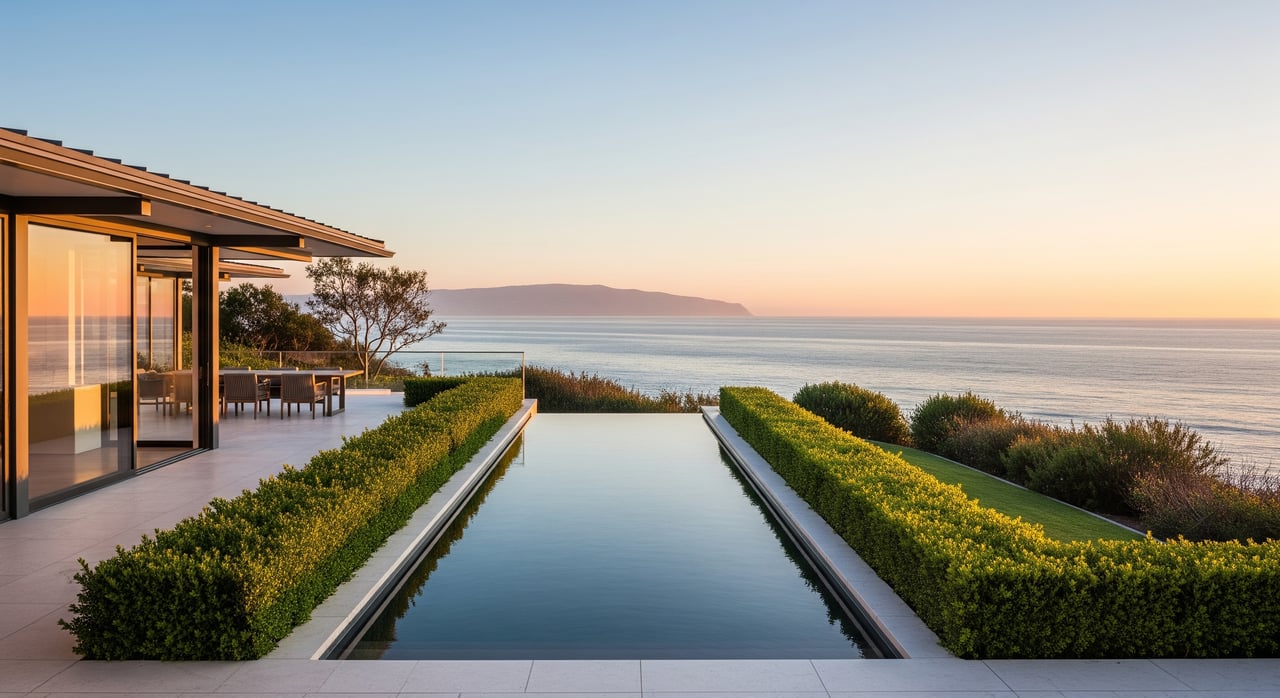
Palos Verdes rises from the shoreline to ridgelines, which creates dramatic sightlines across the Pacific. Many homes look toward the Santa Monica Bay, Long Beach Harbor, or, on clear days, Catalina Island. Southwest and west orientations often capture the widest ocean and sunset panoramas.
Not all views are equal. Buyers consistently rank unobstructed ocean and Catalina views as the most valuable. Partial ocean glimpses, distant harbor or skyline views, and neighborhood open-space vistas still add value, but the premium tends to scale with how wide, direct, and permanent the view feels.
The local marine layer and seasonal fog can soften or erase views on certain days. That is why you often see listing photos that highlight clear days and sunset shots. Orientation, elevation, and microclimate all shape what you will actually experience most of the year.
What a view corridor means for price
A view corridor is the protected sightline that lets you see a specific landmark like the ocean or Catalina. Corridors can be protected by public policy or private rules, or they might exist informally because of how lots are arranged on a hillside.
When a corridor is protected, buyers perceive the view as more permanent. That reduced risk often translates to stronger offers. When a corridor is unprotected, even a great current view may trade at a discount if a future second story, tree growth, or fence could block it.
Public policies that shape sightlines
Cities on the peninsula use local coastal planning and design review to manage building height, massing, and sightline impacts. These rules can influence where and how a new addition or second story gets approved. They do not guarantee a specific private view, but they can reduce abrupt changes in neighborhood profiles.
Private easements and CC&Rs
Some neighborhoods record view easements and covenants, conditions and restrictions that limit structure heights or tree growth. These are private agreements that run with the property title. When they are enforceable and actively managed, they can help preserve a view corridor and boost buyer confidence.
Open space and conserved land
Local open-space and conservancy areas keep certain hillsides and ridgelines free from development. If your sightline crosses preserved land, there is less risk of future construction blocking the view. Buyers often treat that as a meaningful signal of permanence.
Permanence vs. temporary views
The permanence of a view is as important as the view itself. Attractive views lose value if they can change quickly. You should always ask what could place new objects within your line of sight over the next few years.
Common risks include neighbor remodels, new second stories, or dormers that rise into a view plane. Vegetation is another frequent issue. Trees and hedges grow slowly, but they can gradually erase a prized panorama if rules are loose or not enforced.
Natural hazards matter too. Palos Verdes has areas with slope movement and landslide history, including parts of Portuguese Bend. These conditions can affect infrastructure, grading, and development restrictions, which indirectly influence how view corridors evolve over time.
How to value a view as a buyer
When you tour a property, use this quick checklist to estimate whether the view premium is justified:
- Confirm orientation and rooms that capture the view
- Which rooms frame the view daily: living room, kitchen, primary suite, outdoor patio?
- Southwest or west orientations often deliver stronger sunset and ocean vistas.
- Evaluate the degree of the view
- Is it panoramic, mostly unobstructed, or partial and angled?
- Can you see Catalina on clear days?
- Assess permanence and protections
- Review title and HOA documents for view easements or height limits.
- Check nearby parcels for potential second-story additions or vacant buildable lots.
- Consider visibility and climate
- Ask how often fog or marine layer reduces visibility in that micro-area.
- Note existing landscaping that could grow into the view plane.
- Investigate physical risks
- Look for bluff proximity, slope stability notes, and any landslide-zone disclosures.
- Review drainage, retaining walls, and street access.
- Plan for appraisal and financing
- Request comps with similar view quality. Appraisers rely on paired sales to adjust for view differences.
- If the home is in a hazard area, check insurance availability and cost.
Bottom line: do not apply a one-size percentage for a view premium. Instead, anchor your number to recent sales with a similar degree of view and similar permanence.
How to protect and present value as a seller
If your home has a strong ocean or Catalina view, focus on proving permanence and elevating presentation. Buyers will pay up when they are confident the view will endure.
- Document protections
- Provide recorded view easements, CC&Rs, or design-review standards that limit height or tree growth.
- Map how open space or lot topography protects your sightline.
- Showcase the experience
- Stage key rooms that frame the view and time photos for clear days and sunsets.
- Include day and twilight images and a short video that walks through the sightline.
- Prepare support for appraisals
- Share a comp set that isolates view as the major differentiator.
- Note any unbuildable adjacent lots or height-restricted neighbors.
- Address risk upfront
- If you are near an unstable slope, provide recent reports or maintenance records.
- Outline HOA or city processes that manage tree disputes or remodel approvals.
Appraisals and comps: how the numbers work
Appraisers typically compare recent nearby sales with similar view quality, then make adjustments for differences. When clean paired sales exist on the same block, the adjustment can be clearer. If comps are scarce, appraisers may widen the search window, then triangulate using several partially similar comps.
Expect bigger adjustments for panoramic, unobstructed ocean and Catalina views. Partial or oblique views usually produce smaller adjustments. The market also rewards views enjoyed from primary living spaces more than views limited to a secondary bedroom or a small balcony.
If you are buying, bring your agent an alternate comp set and photos that match the home you want. If you are selling, organize a packet that includes high-quality photos from the same vantage points appraisers will use.
Micro-locations that influence view quality
Because the peninsula is a bowl of hills, each micro-location can feel different. A few patterns show up repeatedly in 90274:
- Ridgelines and bluff-top streets
- These areas often enjoy longer, more stable ocean sightlines, especially facing southwest and west.
- Downhill and uphill neighbors
- Your relative elevation to the next row of homes is critical. Even a few feet matter for second-story rooflines.
- Marine layer pockets
- Some pockets hold fog longer in the morning. Ask about seasonal visibility, not just what you see on a single tour.
- Open-space adjacency
- Lots that look over conserved hillsides can benefit from lower development risk across the view plane.
Use a compass on your phone, step to the window you will use most, and imagine the sun’s path. Orientation is a practical shortcut for predicting year-round enjoyment.
Practical scenarios on the same street
Two similar homes can sell very differently based on view corridors:
- Home A has an unobstructed, wide ocean and Catalina view from the great room and primary suite. The downhill lot in front is single level with CC&Rs limiting second stories. Buyers perceive permanence and bid aggressively.
- Home B is two doors down with a partial ocean glimpse over a taller neighbor. The view appears in a corner of the living room and disappears when hedges grow. Buyers discount for risk and limited day-to-day enjoyment.
Small physical differences, like a slightly higher pad or a deeper setback, can swing a view from partial to panoramic. On Palos Verdes hillsides, inches can be dollars.
Your next steps
If you are weighing a premium for a view or preparing to sell one, you want more than pretty photos. You need a clear story about permanence, protections, and comparable sales. That is what drives both confident offers and smooth appraisals.
Have questions about a specific home in 90274 or how your view stacks up against recent comps? Connect with Rachel Ezra for a local, data-informed strategy that blends presentation, pricing, and protection.
FAQs
How do view corridors affect Palos Verdes home values?
- Protected view corridors signal permanence, which reduces buyer risk and often increases offers compared with similar homes without protections.
What types of views command the highest premiums in 90274?
- Panoramic, unobstructed ocean and Catalina views typically earn the strongest premiums, especially when visible from main living areas and outdoor spaces.
Can my neighbor legally block my ocean view in Palos Verdes?
- It depends on local rules, recorded easements, and CC&Rs. Without private protections, a neighbor’s permitted remodel or second story can affect your sightline.
How do I estimate a fair premium for a Catalina view?
- Use recent comps with a similar degree of view and similar permanence. Appraisers rely on paired sales, not a fixed percentage rule.
Are landslide or bluff areas a red flag even with great views?
- Yes. Slope stability, infrastructure, and insurance considerations can affect financing, ownership costs, and long-term value despite strong views.