Salt air is part of the charm in Manhattan Beach, but it can also be tough on your home. If you live in the Sand Section or anywhere near the shoreline, you see the effects first: sticky salt film on windows, rust starting on railings, and paint that fades faster than it should. You want to protect your investment without turning maintenance into a full-time job.
This guide gives you a simple, proven plan to prevent salt-related damage. You will get an easy checklist by season, clear signs to watch for, and smart material choices that hold up better by the beach. Everything here is tailored to the coastal conditions you experience in Manhattan Beach. Let’s dive in.
Why salt air matters in Manhattan Beach
Manhattan Beach has a Mediterranean coastal climate with frequent onshore winds and a marine layer that carries fine salt particles onto your home’s exterior. Rain is limited and seasonal, so salt can build up between storms. When salt sits on surfaces, it attracts moisture, which speeds up corrosion on metal and wears down paint, sealants, and some mechanical parts.
You see faster wear on exterior finishes, hardware, and outdoor systems than inland homes do. The good news is that regular rinsing and scheduled inspections reduce long-term costs and help you avoid bigger repairs.
Your coastal care checklist
Staying ahead of salt is about timing and repetition. Use this local-first checklist to keep your home in top shape.
Monthly and after wind or fog
- Rinse horizontal surfaces: decks, railings, trim, windows, doors, and outdoor furniture. Fresh water is the best first defense against salt buildup.
- Clear around the outdoor HVAC unit. Gently rinse the condenser fins and remove debris nearby.
- Quick metal check: scan railings, gates, light fixtures, and fasteners for early rust or pitting. Clean and dry small spots before they spread.
Quarterly tasks
- Windows and doors: clean tracks, clear weep holes, and lubricate locks and hinges with a silicone or PTFE product. Avoid heavy oils that trap salt.
- Exterior wash: give stucco and painted wood a fresh-water rinse to remove salt film.
- Outdoor metal: spot-clean and protect areas showing early corrosion.
- HVAC filters: replace or clean every one to three months. In coastal exposure, more frequent changes often help performance.
- Pool and spa gear: inspect for corrosion and leaks. Cover equipment when practical and keep fittings clean.
- Safety test: check outdoor GFCI outlets and replace any corroded covers.
Twice yearly
- Roof and gutters: schedule a spring and fall roof check. Look for lifted shingles, cracked tiles, displaced flashing, and corroded fasteners. Clean gutters and downspouts, then rinse to remove salt residue.
- HVAC tune timing: plan a professional check ahead of peak warm months so coils are clean and electrical connections are tight.
Annual essentials
- Full exterior inspection: check paint for chalking and fading, and stucco for hairline cracks. Re-caulk around windows, doors, and penetrations where sealant has hardened or cracked.
- Pro roof inspection: have a licensed roofer review flashing, fasteners, and tile or shingle condition. Small flashing issues near the coast can lead to interior problems.
- Window and door service: look for condensation inside insulated glass units, which points to seal failure. Replace failed IGUs to maintain energy performance and clarity.
- HVAC professional service: schedule a full tune-up, including coil cleaning, refrigerant check, electrical inspection, and condensate drain cleaning.
- Electrical check: have an electrician review outdoor circuits, fixtures, and junctions for corrosion. Replace compromised parts.
- Termite and wood rot inspection: coastal humidity can exacerbate decay. Annual checks help you catch issues early.
- Deck and railing review: check structural connections and replace corroded fasteners with marine-grade options.
- Landscaping and irrigation: flush windward planters and irrigation lines to clear salt accumulation. Use salt-tolerant plants in higher exposure spots.
- Insurance and warranties: review coverage and any marine-environment exclusions, and keep records of maintenance and upgrades.
Exterior finishes that last
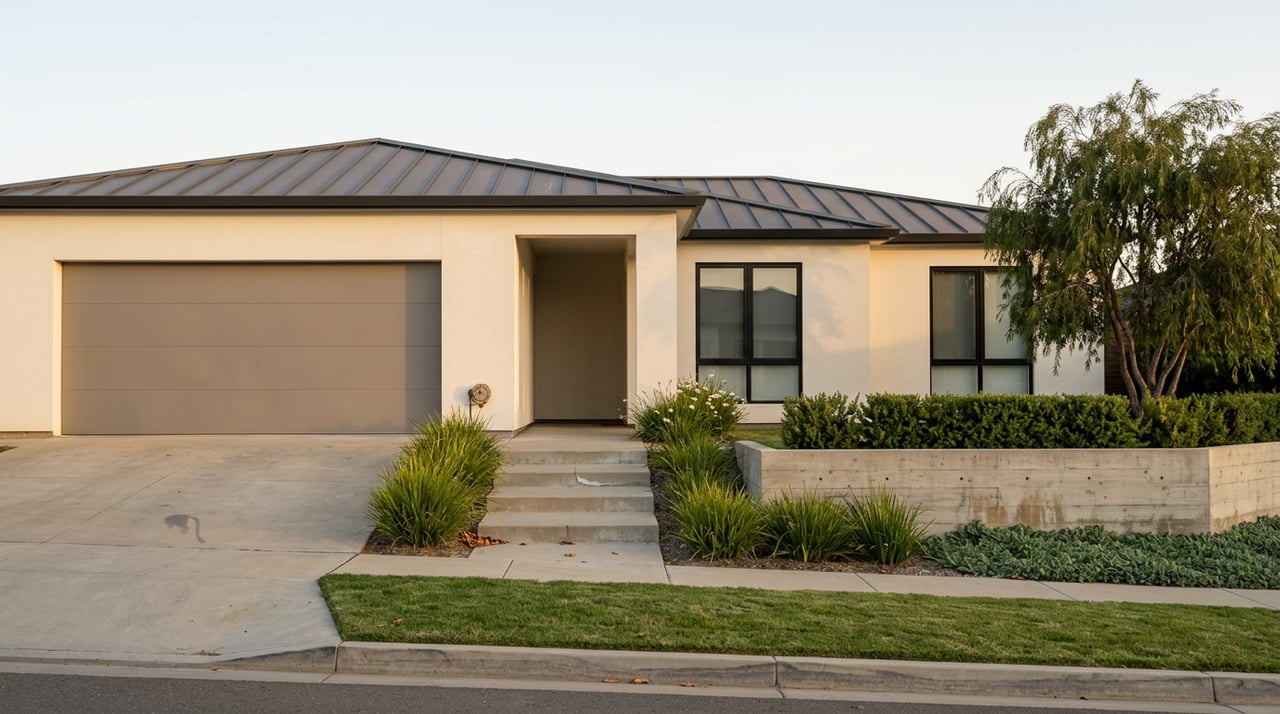
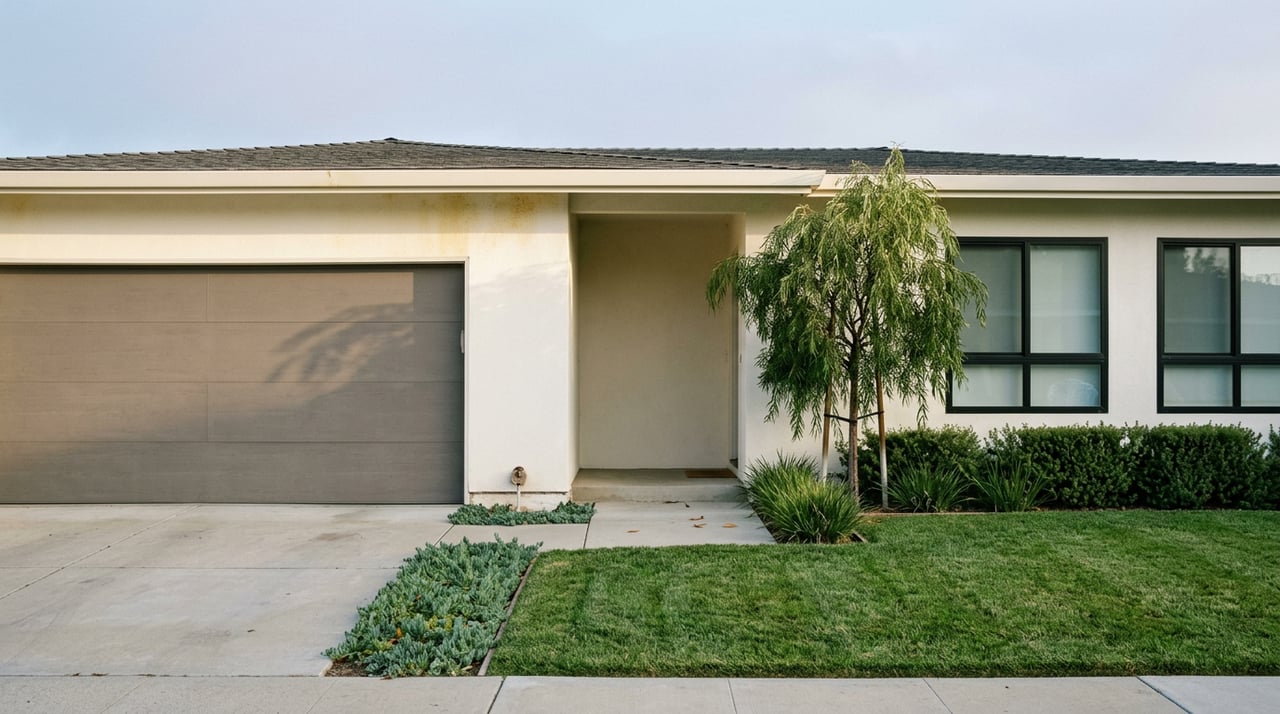
Stucco, painted wood trim, and fiber cement are common in the Sand Section. Salt and UV can cause paint to chalk, fade, and lose adhesion faster near the ocean. Hairline stucco cracks let moisture and salt in, which leads to staining or efflorescence.
- Choose coastal-rated paints and primers. High-quality acrylic latex topcoats with good UV resistance perform better here.
- Rinse salt film off stucco and painted wood between rains.
- Inspect caulk at joints, trim, and penetrations. Replace stiff or cracked sealants with exterior-grade products that are rated for movement and coastal use.
- Repair hairline stucco cracks promptly to keep moisture out.
Hire a pro for large repainting jobs or when you see substrate issues that need repair before paint.
Windows and doors near the beach
Aluminum or vinyl frames and stainless or plated hardware are common. Salt can collect in tracks and on hardware, leading to sticking and corrosion. Insulated glass units can fail at the seals and fog between panes.
- Rinse frames, sash, and tracks monthly. Keep weep holes clear.
- Use 316 stainless or marine-grade hardware when replacing hinges, locks, and fasteners, especially on ocean-facing sides.
- Lubricate moving parts with silicone or PTFE, not heavy oils.
- Watch for persistent condensation inside dual-pane windows. That signals IGU seal failure and a need for replacement.
Call a window pro for sealed-unit replacement or if you see leaks around frames.
Roofing, flashing, and gutters
Ocean air accelerates corrosion on metal flashing, fasteners, and gutters. Wind can lift shingles, and salt can clog or pit metals over time.
- Inspect the roof in spring and fall, and after major storms. Look for loose material and rust at metal components.
- Clean gutters and downspouts at least twice a year. Rinse to clear salt.
- Rinse exposed flashings and fasteners with fresh water between rains.
- Use corrosion-resistant fasteners, and consider 316 stainless in high exposure areas.
- Ensure proper flashing at roof-wall transitions and valleys to prevent water intrusion.
Roof repairs and flashing work are best handled by licensed professionals.
HVAC and pool equipment by the ocean
Salt can reduce coil efficiency, corrode housings and terminals, and clog condensate drains. Pool and spa equipment see similar exposure.
-
Keep filters fresh every one to three months. In coastal homes, shorter intervals often help.
-
Rinse the outdoor condenser with a gentle spray monthly during high exposure periods. Keep the area clear of debris or vegetation.
-
Schedule a yearly professional service. Ask about coil cleaning, electrical connections, and safe corrosion inhibitors for exposed contacts.
-
Cover pool and spa equipment when practical and rinse exposed metal parts. If you use a saltwater system, check metallic fittings and anode systems more often.
For electrical or refrigerant work, always use a licensed HVAC pro.
Metals, fasteners, and corrosion control
Galvanized steel, aluminum, and stainless steel all behave differently near salt. Dissimilar metals can corrode faster when they touch in a wet, salty environment.
- Prefer 316 stainless for exterior fasteners, railings, and exposed hardware. It resists chloride-induced pitting better than 304.
- Avoid direct contact between dissimilar metals, such as aluminum and copper. Use isolators or stick with compatible metals to prevent galvanic corrosion.
- Clean early rust or pitting right away. Rinse with fresh water after storms and protect as needed.
- For vulnerable metal systems, consult a corrosion professional about whether sacrificial anodes make sense.
Hire a specialist if you suspect structural metal corrosion or complex galvanic issues.
Decks, outdoor kitchens, and landscaping
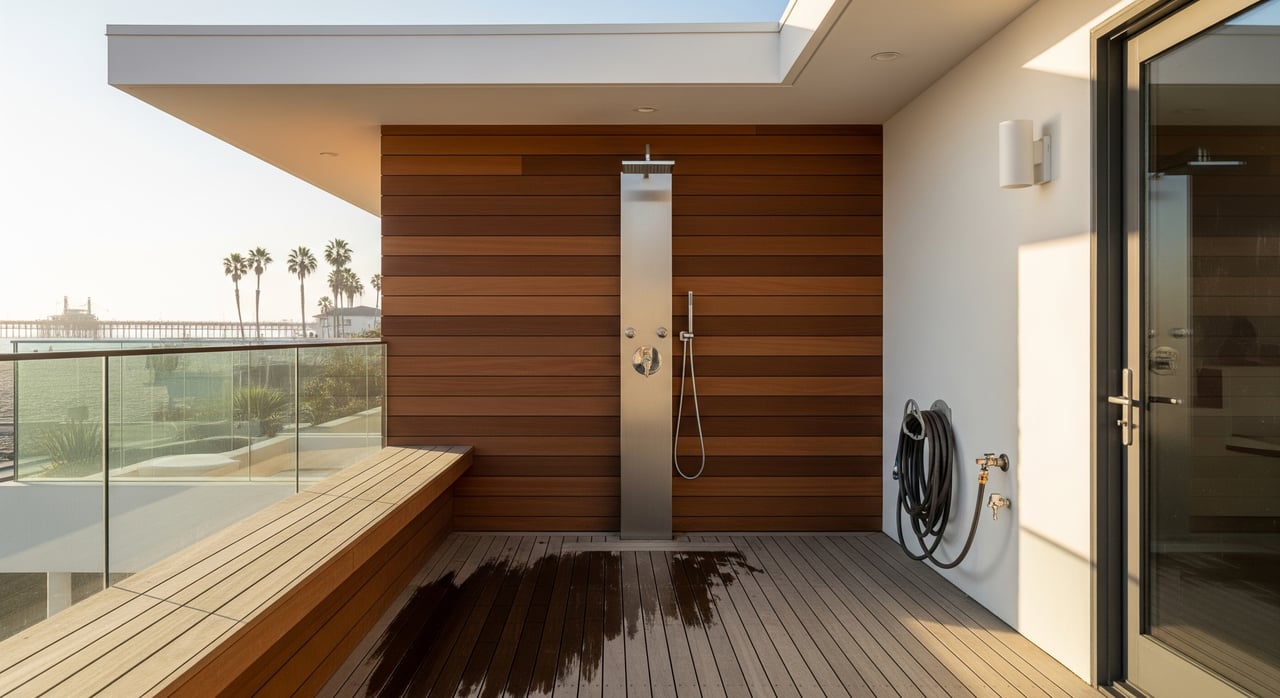
Your outdoor living areas get daily salt exposure in the Sand Section. Composites generally resist salt better than many woods, while natural wood needs regular sealing.
- Rinse decks, counters, and furniture. Store soft goods and cushions when not in use, especially overnight or before storms.
- Choose cushions with quick-dry, marine-grade fabrics.
- Inspect deck fasteners and railings quarterly. Tighten or replace corroded hardware.
- In windward planters, flush soil occasionally and favor salt-tolerant plantings.
Urgent signs to act on now
Call a licensed professional right away if you notice any of the following:
- Active leaks, interior staining, or sagging ceilings
- Large areas of wood rot or soft spots in deck boards
- Cracked or significantly pitted structural metal, or loose connections
- HVAC short cycling, electrical arcing or sparking, or breakers that trip and will not reset
- Widespread fogging inside multiple insulated glass units
DIY or hire a pro
Plenty of tasks are homeowner friendly, like rinsing, light cleaning, filter changes, and visual checks. Use professionals for anything at height, electrical work, refrigerant handling, roofing, structural repairs, and sealed glass replacement. Your insurance and local codes may require licensed trades, and warranties often have specific requirements in marine environments.
Smart material choices for the coast
Making good selections upfront reduces maintenance in Manhattan Beach:
- Stainless steel: choose 316 grade for exposed hardware and fasteners in high exposure zones.
- Fasteners: use stainless or hot-dip galvanized where appropriate, and avoid mixing dissimilar metals without isolation.
- Paints and coatings: pick coastal-rated systems with strong UV resistance and follow manufacturer guidance on shorter repaint cycles near the ocean.
- Sealants: use polyurethane or hybrid-polymer products rated for exterior movement and coastal exposure.
- Deck materials: capped composites or properly sealed hardwoods reduce frequent upkeep.
- HVAC protection: ask your HVAC pro about approved coil coatings or protective measures that do not void warranties.
- Lubricants: use marine-appropriate silicone or PTFE on locks, slides, and hinges.
Plan for the long run
As you remodel or plan upgrades, consider elevating mechanical systems and outdoor equipment where possible to reduce future exposure. Review your insurance, including any wind or flood endorsements, and keep maintenance records. For larger exterior changes, verify Manhattan Beach and Los Angeles County permit needs and any coastal-zone rules before you start.
Your Manhattan Beach rhythm
In the Sand Section, salt exposure is higher the closer you are to the water. That means a little more rinsing and a few extra check-ins each season. When you keep a simple rhythm, you prevent small salt issues from becoming costly repairs and you protect the value and beauty of your home.
If you want help prioritizing maintenance before a sale, preparing a new purchase for the coast, or setting a long-term plan for a second home or investment property, reach out. You can lean on trusted local guidance to keep your property performing.
Ready to protect your asset and plan your next move in Manhattan Beach? Connect with Rachel Ezra for neighborhood-specific advice and to Request a Complimentary Home Valuation.
FAQs
What does salt air do to a beach house?
- Salt deposits attract moisture, which speeds up corrosion on metals and breaks down paint, sealants, and some mechanical components faster than inland homes.
How often should I rinse exterior surfaces near the ocean?
- Rinse monthly and after strong onshore winds or heavy marine layer; in high exposure areas of the Sand Section, more frequent rinsing keeps salt from building up.
What hardware and fasteners hold up best by the beach?
- Use 316 stainless for exposed hardware, railings, and fasteners in high exposure zones, and avoid direct contact between dissimilar metals to prevent galvanic corrosion.
How do I know if my dual-pane windows have failed?
- Persistent fogging or condensation between panes suggests a failed insulated glass unit seal and usually requires replacing the IGU.
What roof maintenance is most important in Manhattan Beach?
- Twice-yearly inspections, clean gutters and downspouts, and close attention to flashings and fasteners help prevent leaks and corrosion in coastal conditions.
Which exterior paints work best near the coast?
- High-quality, coastal-rated acrylic latex systems with strong UV resistance perform well; expect shorter repaint cycles than inland homes and follow manufacturer guidance.