Dreaming of morning walks to the beach and evenings in Riviera Village, but not sure how townhomes in 90277 really stack up? You’re not alone. South Redondo offers a rare mix of coastal living, convenience, and value, yet buying the right townhome takes a clear plan. In this guide, you’ll learn how to evaluate layouts, HOAs, parking, coastal risks, and how townhomes compare to nearby single-family homes so you can buy with confidence. Let’s dive in.
Why South Redondo townhomes stand out
South Redondo (90277) places you close to the sand, The Strand, and Riviera Village’s shops and dining. Many townhomes sit within a short walk or bike ride of these amenities, which drives demand and pricing. If you want a low-maintenance coastal lifestyle with strong walkability, townhomes can be a smart entry point compared to detached homes nearby.
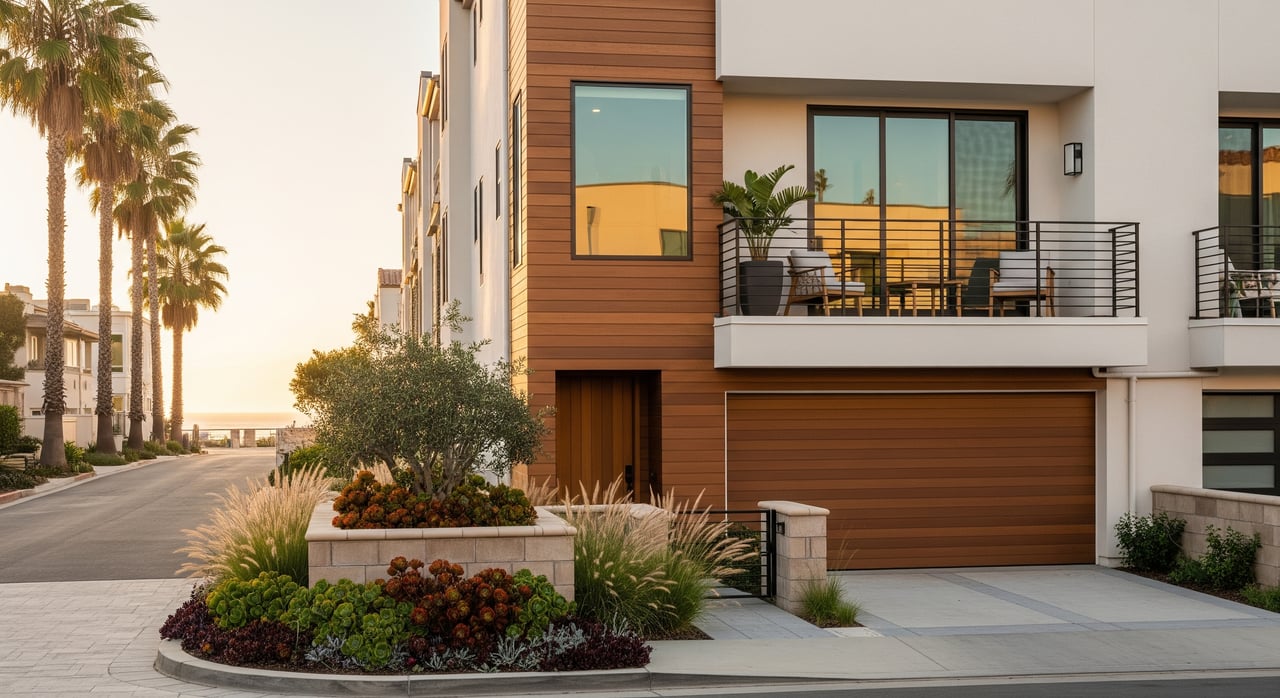
You’ll find a mix of low to mid-rise buildings with 2–3 story floor plans and attached garages. Development spans mid-20th century to newer infill projects, so condition and systems can vary. Your goal is to match the lifestyle benefits with a unit and HOA that fit your budget and long-term plans.
HOA essentials you must review
Most South Redondo townhomes are part of a homeowners association governed by California’s Davis-Stirling Common Interest Development Act. That means rules, budgets, and reserves matter as much as countertops and flooring. Sellers are required to provide HOA documents during disclosures, and you should read them closely with your agent and, if desired, an attorney.
Key items to request and review:
- Budget, financial statements, and the most recent reserve study
- CC&Rs, house rules, and any rental or pet restrictions
- Board meeting minutes and any pending or past litigation
- Insurance summary for the master policy and what it excludes
- Details on any recent or planned special assessments
Why it matters: healthy reserves help prevent surprise assessments, master insurance clarifies your HO‑6 needs, and rules affect your lifestyle and resale pool. If you plan to rent, confirm both HOA and City of Redondo Beach policies on short-term and long-term rentals before you write an offer.
Understanding dues, reserves, and assessments
HOA dues typically cover exterior maintenance, landscaping, trash, shared insurance, and sometimes amenities like pools or elevators. Coastal complexes with more amenities tend to have higher dues. Strong reserves are a positive sign since they fund big-ticket items like roofs and exterior systems. If reserves are low, the risk of special assessments is higher.
Ask the board or management about upcoming projects, historical assessments, and whether there is a current reserve study. A transparent, predictable budget supports smoother ownership and better resale prospects.
Layouts and features that drive value
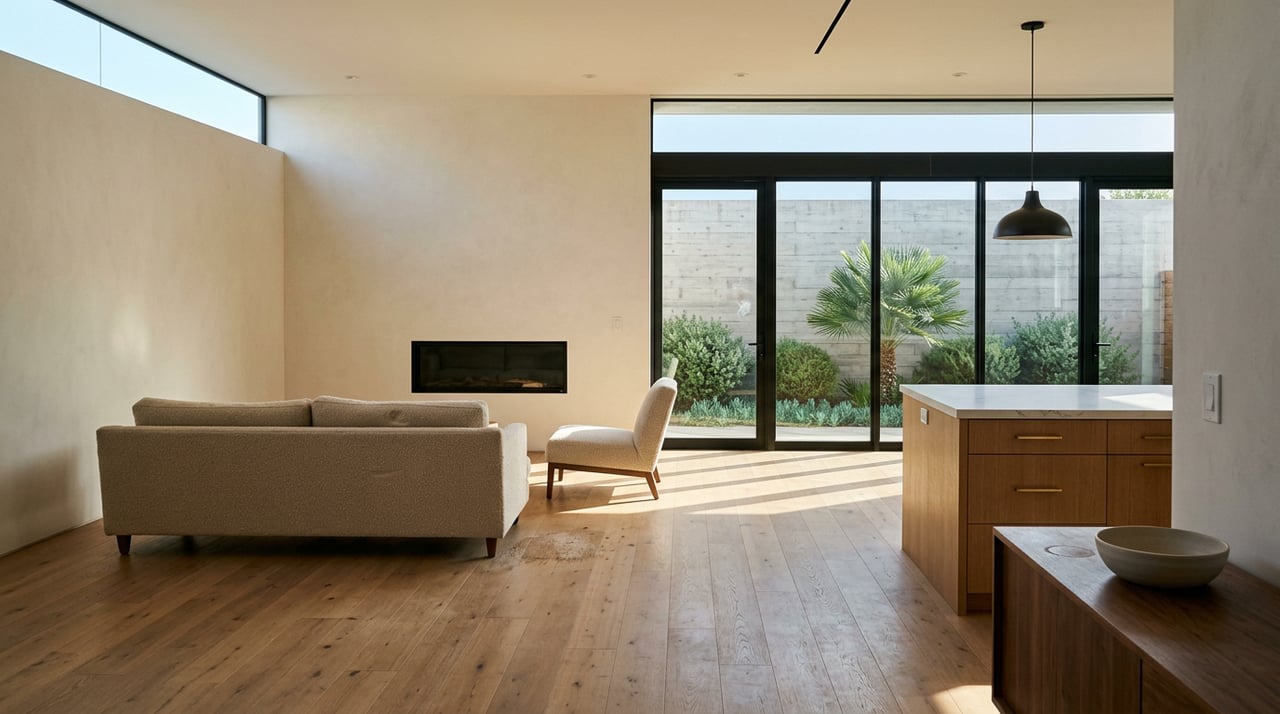
Common South Redondo townhome formats include 2–3 stories with living areas on the main or middle level and bedrooms above. Sizes range from about 900 to over 2,200 square feet. Many units include balconies, small patios, or rooftop decks that expand living space and may offer ocean or treetop views.
Features many buyers prioritize:
- Efficient floor plans with great natural light
- Outdoor living spaces (balcony, patio, or roof deck)
- Updated kitchens and bathrooms, modern windows, and durable coastal materials
- Primary suites with ensuite baths and storage
- In-unit and garage storage solutions
Note the stairs. Vertical living is standard here, so consider accessibility needs and how the layout fits your day-to-day routines.
Parking, storage, and EV charging
Garage setup impacts daily convenience and resale appeal. A side-by-side two-car garage offers the best utility for cars, bikes, and beach gear. Tandem garages can work, but they are less convenient for households with two drivers. Some older projects offer single-car garages or assigned parking.
Guest and street parking can be limited near the coast. Some blocks use residential permit parking, so verify rules with the city and test parking at different times of day. If you drive an EV, ask about HOA policies for charger installation, electrical capacity in your panel, and required approvals. Many buildings are not pre-wired, but California policy encourages reasonable access, subject to HOA procedures.
Building age, systems, and coastal wear
Construction era influences maintenance needs. Older buildings may require attention to plumbing, foundations, or roofing. Newer infill projects often include more modern systems and seismic considerations. In all cases, the coastal environment matters. Salt air can accelerate corrosion on metal elements and HVAC units, and moisture intrusion can affect siding and framing.
What to inspect:
- Roof condition, drainage, and any history of leaks
- Metal components for rust and HVAC units for corrosion
- Windows, sealants, and exterior cladding for wear
- Foundation and retaining walls for cracks or movement
- Any ground-level or sub-grade garage areas for water intrusion
If the property sits in a location with potential flood exposure, factor that into your due diligence with maps, elevation, and local history.
Walkability, beach access, and the Riviera Village factor
Being near Riviera Village and the beach is a major lifestyle win and a value driver. Short walks or bike rides reduce car trips and keep daily errands simple. That proximity can come with added maintenance from salt exposure and a premium in the purchase price.
Homes close to the sand also face evolving coastal considerations such as sea-level rise and storm impacts over time. Review local planning guidance and broader coastal resources to understand long-term risk and how it may influence insurance and maintenance.
Insurance and coastal risk basics
HOA master policies typically insure common areas and the building exterior. As an owner, you’ll need an HO‑6 policy for interior finishes, personal property, and liability. Flood and earthquake coverage are usually separate. In coastal areas, premium costs and coverage availability can vary, so it pays to get quotes early.
Ask your agent and insurance professional to help you:
- Clarify what the HOA master policy covers vs your HO‑6
- Determine if flood or earthquake insurance is advisable or required
- Compare quotes across carriers to understand true monthly costs
- Evaluate your elevation and flood zone, if applicable
Understanding insurance before you offer can prevent surprises during escrow.
Townhome vs single-family near the coast
You may be weighing a townhome against a detached home in the same area. The trade-offs are practical and financial.
Townhome advantages:
- Lower maintenance since the HOA handles exterior and common areas
- Lower purchase price than many nearby detached homes for similar location
- Potential shared amenities and closer siting to commercial corridors
Townhome considerations:
- Monthly HOA dues and the possibility of special assessments
- Less control over exterior changes, with board approvals for modifications
- Tighter parking, less private outdoor space, and potential noise from neighbors
Single-family advantages:
- Land ownership, private outdoor space, and flexibility for future changes (subject to local rules)
- No HOA dues in most cases and more control over property use
Single-family considerations:
- Higher upfront costs and greater maintenance responsibilities
- Location trade-offs if homes sit farther from core walkable areas
Neither option is universally “better.” Your choice should reflect how you live, your budget, and the importance of walkability vs privacy and control.
Financing differences to know
Some lenders apply additional underwriting steps for condos and townhomes compared to detached homes. The project may need to meet certain standards for owner-occupancy, reserves, and insurance. This can affect loan options and timelines.
What to do:
- Share HOA documents with your lender early
- Confirm owner-occupancy and reserve requirements that may impact loan approval
- Build extra time into contingencies for any condo project review
An experienced agent and lender can help you avoid delays and keep your offer competitive.
What drives value in 90277 townhomes
Buyers in South Redondo consistently pay premiums for proximity to the beach and Riviera Village. Within that context, units with efficient layouts, usable outdoor space, ocean or greenbelt views, and functional side-by-side garages tend to outperform. Modernized kitchens and baths, newer windows and roofing, and resilient coastal materials also support higher pricing.
On the operational side, a healthy HOA with predictable dues and strong reserves is a major plus. Clear rental and pet policies widen the buyer pool. Properties with manageable insurance needs and lower risk profiles tend to be more marketable over time.
Your smart buyer checklist
Use this quick list to keep your due diligence on track:
- HOA review: budget, financials, reserve study, CC&Rs, rules, meeting minutes, insurance summary, and any pending litigation
- Parking: confirm assigned spaces, guest parking availability, and neighborhood permit rules
- Assessments: ask about recent and planned special assessments or capital projects
- Rentals and pets: verify restrictions for both HOA and city rules
- Inspections: general home, roof, pest, and consider moisture or corrosion-focused evaluation for coastal exposure
- Risk checks: understand elevation and flood considerations and review local history
- Insurance: price HO‑6, and evaluate flood and earthquake coverage as needed
- EV readiness: confirm HOA approval process and electrical capacity for chargers
A disciplined review helps you compare communities apples-to-apples and negotiate with confidence.
How to shop strategically in South Redondo
Start with lifestyle priorities. If walkability to the Village and beach is non-negotiable, focus your search radius and be ready to act quickly when a well-positioned unit hits the market. If you value more space and privacy, you may widen your search to include townhomes a few blocks inland or compare select single-family homes.
Keep an eye on micro-markets. Sales comps within a quarter-mile of the beach can differ from those just a few blocks farther. Seasonality and inventory levels also influence days on market and negotiation leverage. Your agent should help you read these patterns in real time.
Work with a local advocate you trust
You deserve a guided, low-stress buying experience that balances lifestyle goals with smart due diligence. A local expert can flag red flags in HOA documents, pressure-test pricing against hyper-local comps, and coordinate inspections tailored to coastal buildings. You get clarity, not guesswork.
If you’re ready to explore South Redondo townhomes or want a second opinion on a specific listing, reach out to Rachel Ezra. You’ll get boutique-level attention supported by global marketing reach, plus clear advice every step of the way.
FAQs
What should I look for in a South Redondo HOA?
- Review the budget, reserve study, CC&Rs, rules, meeting minutes, insurance summary, and any litigation to gauge financial health and governance.
Do HOA dues usually include earthquake or flood coverage?
- No. Master policies often cover common areas and exteriors, while owners typically need HO‑6 policies and should evaluate separate flood and earthquake insurance.
How important is garage layout in resale value?
- Very. Side-by-side two-car garages are more convenient and tend to appeal to a wider buyer pool than tandem or single-car layouts.
Can I install an EV charger in my townhome garage?
- Often yes, but you’ll need HOA approval and sufficient electrical capacity, and you must follow the community’s process for modifications.
Are townhomes a better investment than single-family homes in 90277?
- It depends on your goals. Townhomes offer lower maintenance and a lower entry point, while single-family homes offer land and control; compare comps and HOA quality to decide.