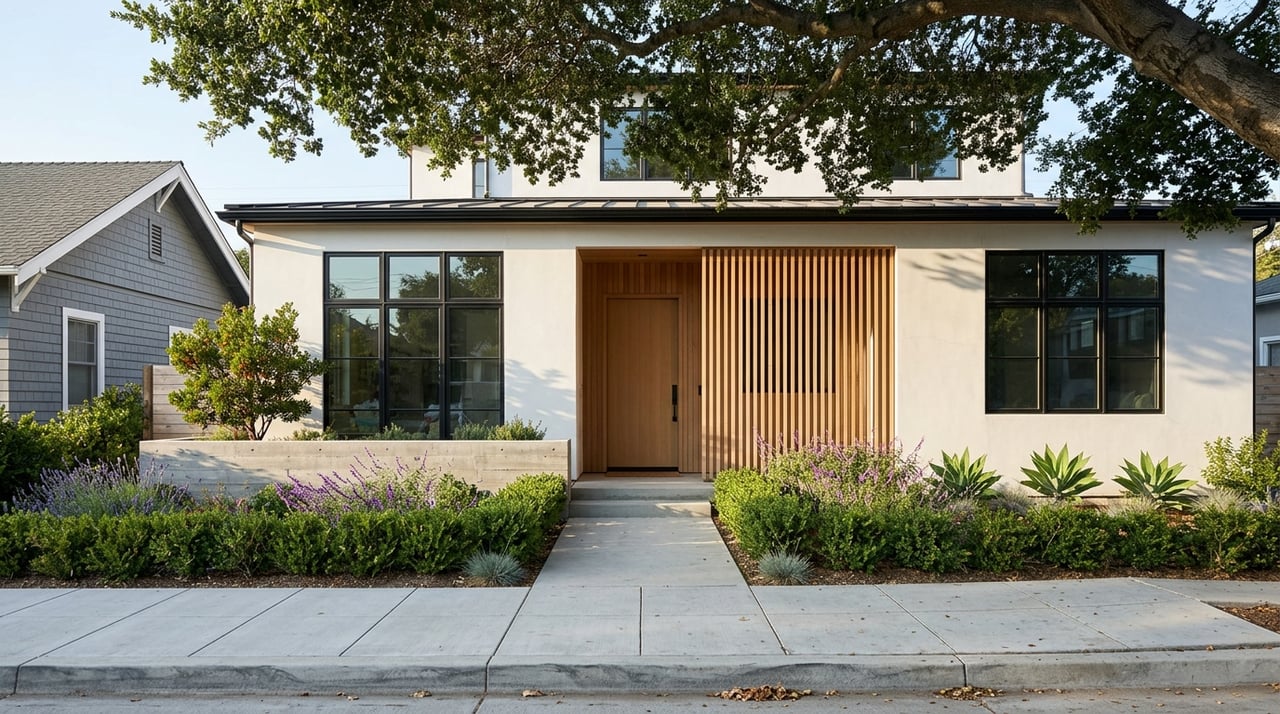
Looking for a Manhattan Beach neighborhood that feels both established and evolving? The Tree Section stands out for exactly that reason. If you are drawn to leafy streets, a primarily single-family setting, and a mix of classic character homes and newer custom residences, this part of Manhattan Beach offers a lifestyle that is easy to picture and hard to forget. Let’s take a closer look at what shapes the Tree Section’s architecture and daily rhythm.
Tree Section Character
The Tree Section is one of those Manhattan Beach neighborhoods with a strong identity, even if city planning documents describe its boundaries a little differently depending on context. In general, it is known as a primarily residential area with a strong single-family feel and only limited commercial frontage near Sepulveda Boulevard. That land-use pattern helps explain why the neighborhood feels quieter and more home-focused than some of the city’s more commercial or beach-adjacent areas.
City planning materials also highlight a few defining traits that matter here: low-profile development, neighborhood character, and a mature tree canopy. Those are not just design ideas on paper. They show up in the way the streets look, how homes sit on their lots, and how the neighborhood feels as you move through it.
Architecture With Layers
The Tree Section is not a neighborhood with just one architectural style. Its visual appeal comes from the way older and newer homes sit side by side, creating a residential landscape with depth and variety. If you enjoy neighborhoods that feel collected over time rather than built all at once, that is part of the draw.
Early Homes and Historic Roots
According to city historic preservation testimony, Manhattan Beach’s earliest homes included wood-frame Craftsman beach cottages. After about 1921, Spanish Colonial Revival became more popular. Those early styles still matter because they help explain the roots of the neighborhood’s residential character.
The city’s preservation materials also show how important Spanish Colonial Revival remains in Manhattan Beach’s architectural story. Even when homes have been remodeled or replaced, that historic layer still influences how certain blocks feel. You can see why the Tree Section often comes across as grounded and established, even with ongoing change.
Today’s Mix of Styles
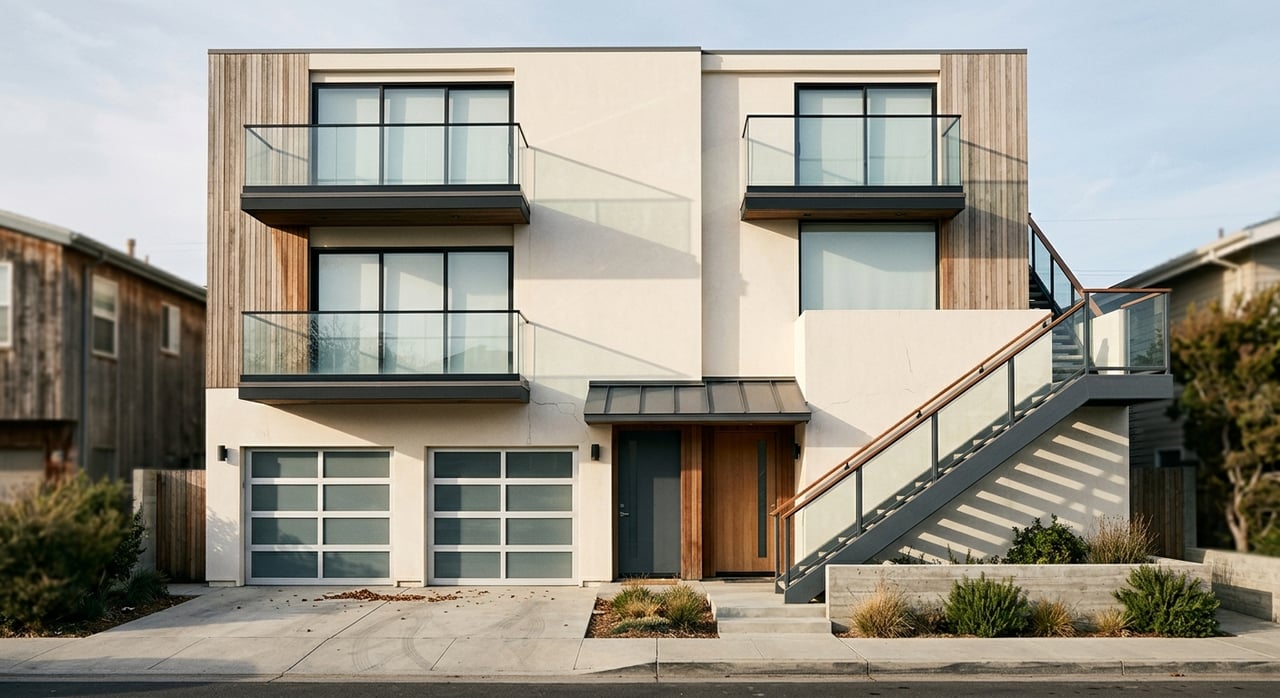
Today, the Tree Section includes a broader mix of architecture. Local reporting describes the area as having preserved originals, remodeled character homes, and larger custom rebuilds, with styles that include Cape Cod and Nantucket-inspired forms, Mediterranean and Tuscan influences, Spanish details, Craftsman homes, and one-of-a-kind custom designs.
That variety is part of what makes the neighborhood appealing to design-minded buyers. You are not limited to one look or era. Instead, you get a neighborhood where architectural personality can vary from block to block while still feeling cohesive overall.
Why Trees and Yards Matter
In the Tree Section, outdoor space is not just a bonus. It is a major part of the neighborhood’s identity. City planners specifically connect tree-lined streets with scenic beauty, shade, reduced pollutants, and neighborhood charm, and those ideas are closely tied to how this area is experienced day to day.
The city also places value on private landscaped open space and discourages large homes with minimal open space. That policy direction helps support a more yard-oriented environment. In practical terms, it reinforces the sense that homes here are not only about interior square footage, but also about outdoor living and planted space.
Lot Standards Shape the Feel
Current housing-element standards help explain why the Tree Section often feels more open than denser coastal pockets nearby. In District II, maximum lot size reaches 10,800 square feet, compared with 7,000 square feet in the Beach Area and El Porto. The city also requires more open space, larger setbacks, and added parking standards for larger residences.
Those rules shape the neighborhood in ways buyers and sellers can actually see. They help maintain breathing room between homes and support a lower-profile residential pattern that aligns with the area’s established identity.
Tree Rules Have Real Impact
The city’s tree ordinance is another important piece of the Tree Section lifestyle. Protected trees in front and corner-side setbacks are regulated, and qualifying new residential construction in Area Districts I and II must plant at least one 36-inch box tree unless the city decides otherwise.
That matters because the neighborhood’s greenery is not accidental. Local rules actively support a planted, shaded streetscape. For homeowners, that can influence everything from curb appeal to the overall tone of the block.
Daily Life in the Tree Section
Architecture tells part of the story, but lifestyle is what makes a neighborhood livable. In the Tree Section, daily life tends to center on residential calm, nearby parks, local destinations, and practical access to the rest of Manhattan Beach.
Walkability and Getting Around
Manhattan Beach describes itself as a very walkable community, and the city’s pedestrian network includes sidewalks, walkstreets, The Strand, and the pedestrian-only path through Veterans Parkway. While the Tree Section is more residential than the beach walkstreets, it still benefits from being part of that broader walkable city fabric.
That means your experience can be a blend of quiet neighborhood living and convenient access to local destinations. Depending on your block, you may find it easy to reach parks, commercial corridors, downtown spots, or coastal amenities without feeling like you live in the middle of the busiest areas.
Parks Support the Lifestyle
Parks play a big role in the Tree Section story. Polliwog Park is an 18-acre city landmark with a botanical garden, playground, dog run, fitness court, and reservable picnic and event spaces. Manhattan Heights Park offers lighted courts, a field, and the REC Program and Teen Center, while Live Oak Park includes tennis courts, multipurpose fields, community-center space, and hosts the annual Old Hometown Fair.
For buyers, nearby park access can add flexibility to daily routines. For sellers, it is part of the neighborhood context that often helps explain the area’s lasting appeal.
Errands, Dining, and Weekend Plans
The Tree Section is residential, but it is not isolated. Downtown Manhattan Beach is described by the city as a compact shopping and dining district with the pier, Roundhouse Aquarium, Metlox Plaza, bike rentals, surf access, and beach-adjacent restaurants. Manhattan Village adds another option with open-air retail, dining, and entertainment.
This balance is one reason the neighborhood works for so many lifestyles. You can enjoy a more home-centered setting while still having convenient access to activity, dining, and coastal amenities when you want them.
Parking and Residential Practicality
Parking may not be the first thing you think about when comparing Manhattan Beach neighborhoods, but it can have a real effect on day-to-day living. The city created a Tree Section Residential Permit Parking Program to reduce non-resident parking on eligible residential streets. Some streets along Sepulveda Boulevard or Manhattan Beach Boulevard are not eligible, which shows how the city manages spillover near busier corridors.
For residents, that supports a more neighborhood-oriented street experience. It is one more example of how local rules shape the practical side of living in the Tree Section, not just the visual one.
What Buyers and Sellers Should Notice
If you are buying in the Tree Section, it helps to look beyond square footage and finishes. Pay attention to lot orientation, yard space, tree placement, setbacks, and how a home fits into the architectural rhythm of its block. In a neighborhood where outdoor space and streetscape matter, those details can have a meaningful effect on long-term enjoyment.
If you are selling, the Tree Section story is rarely just about the house alone. It is also about the setting: tree-lined streets, a primarily single-family environment, access to parks, and a neighborhood character shaped by both historic roots and thoughtful local standards. Presenting that full story well can make a real difference in how buyers understand value.
The Tree Section continues to appeal because it offers a mix that can be hard to find. You get architectural variety, a mature residential setting, and access to the wider Manhattan Beach lifestyle, all within a neighborhood that still feels grounded in place.
If you are thinking about buying or selling in the Tree Section, working with a local expert can help you understand not just the inventory, but the block-by-block details that shape value. For personalized guidance on Manhattan Beach homes and neighborhood strategy, reach out to Rachel Ezra.
FAQs
Is the Tree Section mostly single-family residential in Manhattan Beach?
- Yes. City planning materials describe the Tree Section as primarily single-family residential, with only limited commercial frontage near Sepulveda Boulevard.
What architectural styles are common in Manhattan Beach’s Tree Section?
- The neighborhood includes older wood-frame Craftsman cottages, Spanish Colonial Revival influences, remodeled character homes, and newer custom homes with styles such as Cape Cod, Nantucket-inspired, Mediterranean, Tuscan, and Craftsman details.
Why are trees such a big part of the Tree Section’s identity?
- City planning documents connect mature trees to shade, scenic beauty, reduced pollutants, property value, and neighborhood charm, and local tree rules help preserve that character.
How walkable is the Tree Section in Manhattan Beach?
- The Tree Section is part of a very walkable city, with access to sidewalks and broader pedestrian routes, but it is best understood as a residential neighborhood with convenient access to parks, downtown, and coastal destinations.
What makes the Tree Section feel different from other Manhattan Beach areas?
- Its identity comes from a primarily residential layout, mature tree canopy, more yard-oriented homes, architectural variety, and a lower-profile neighborhood feel supported by local planning standards.