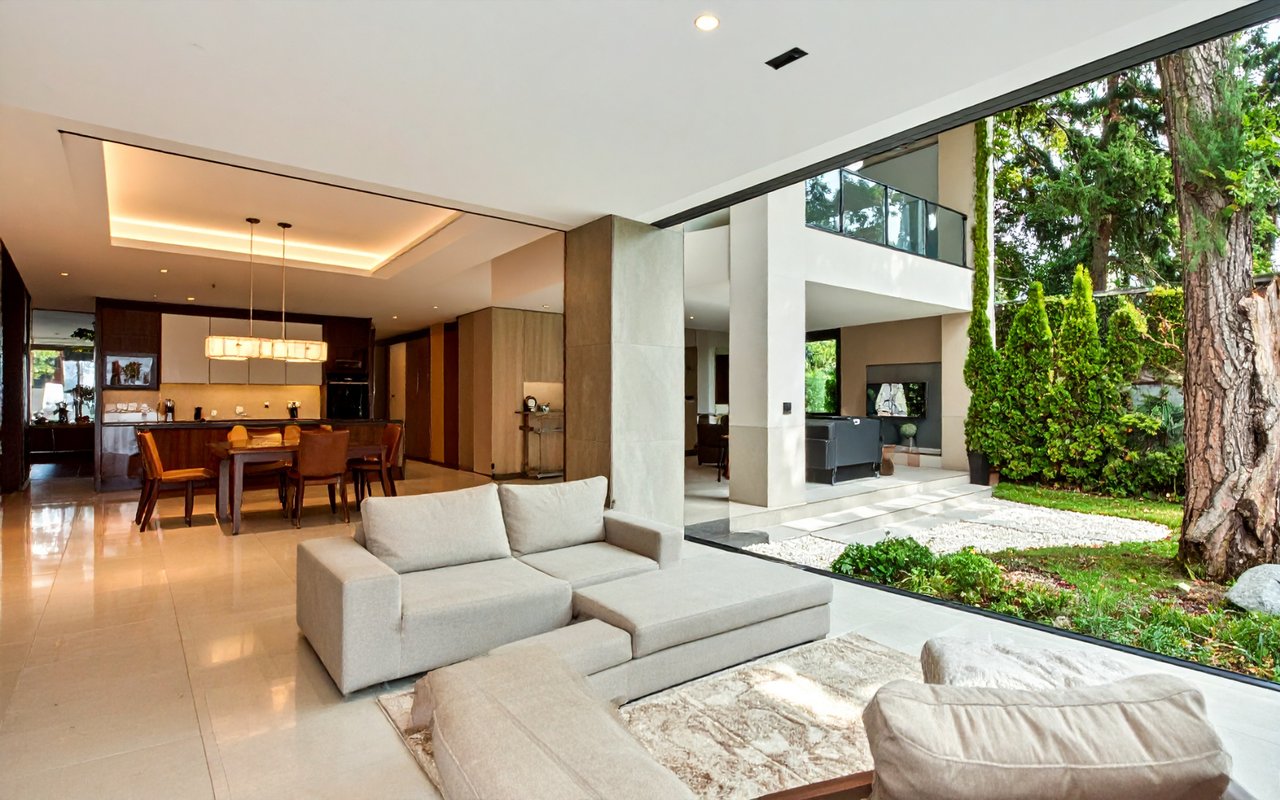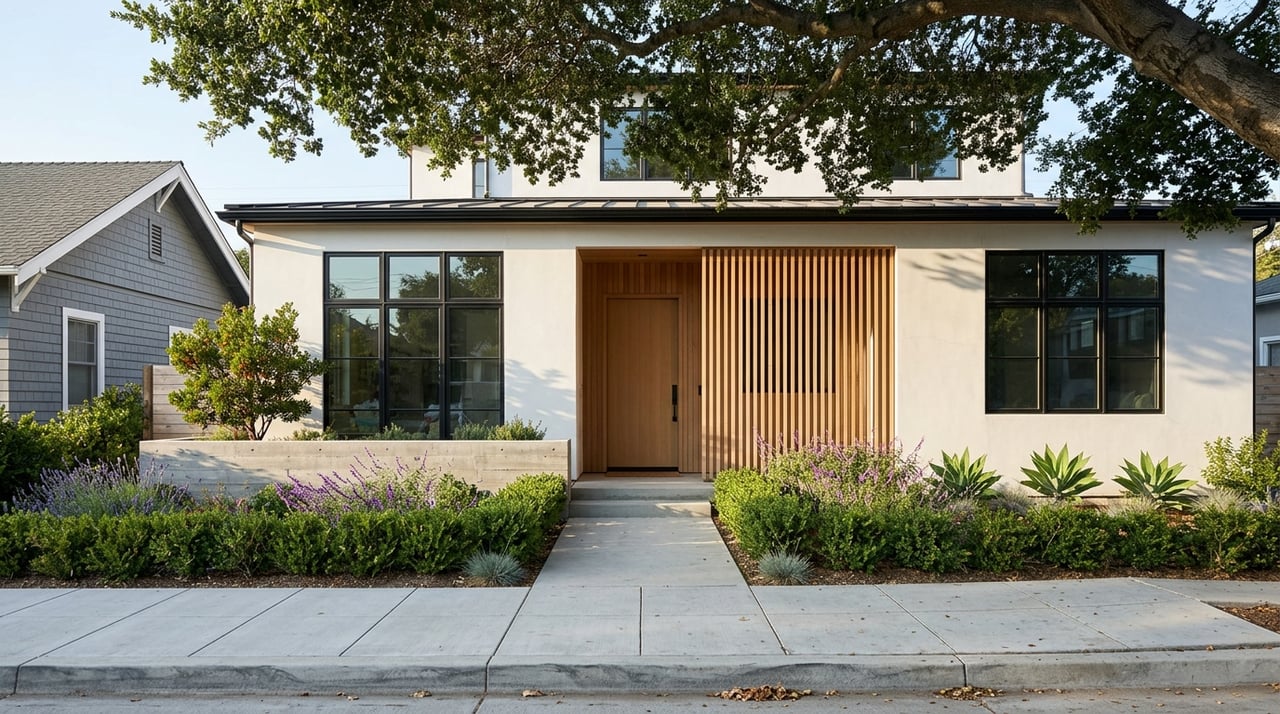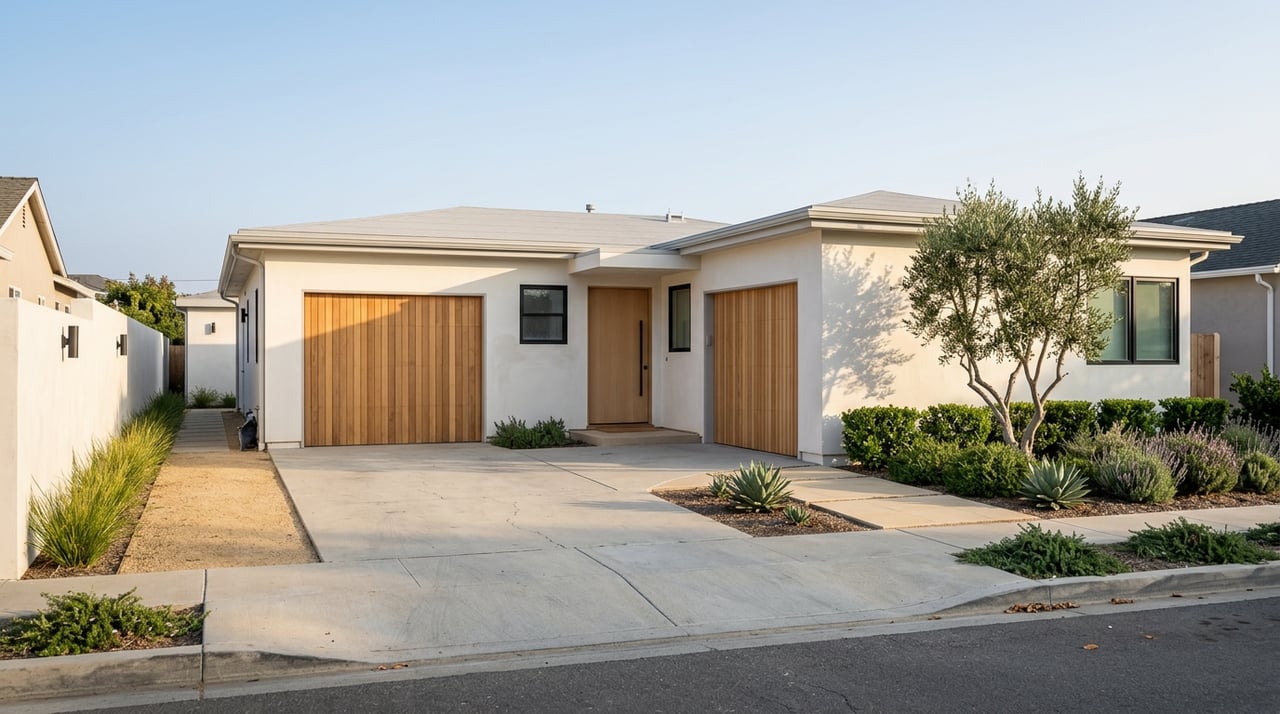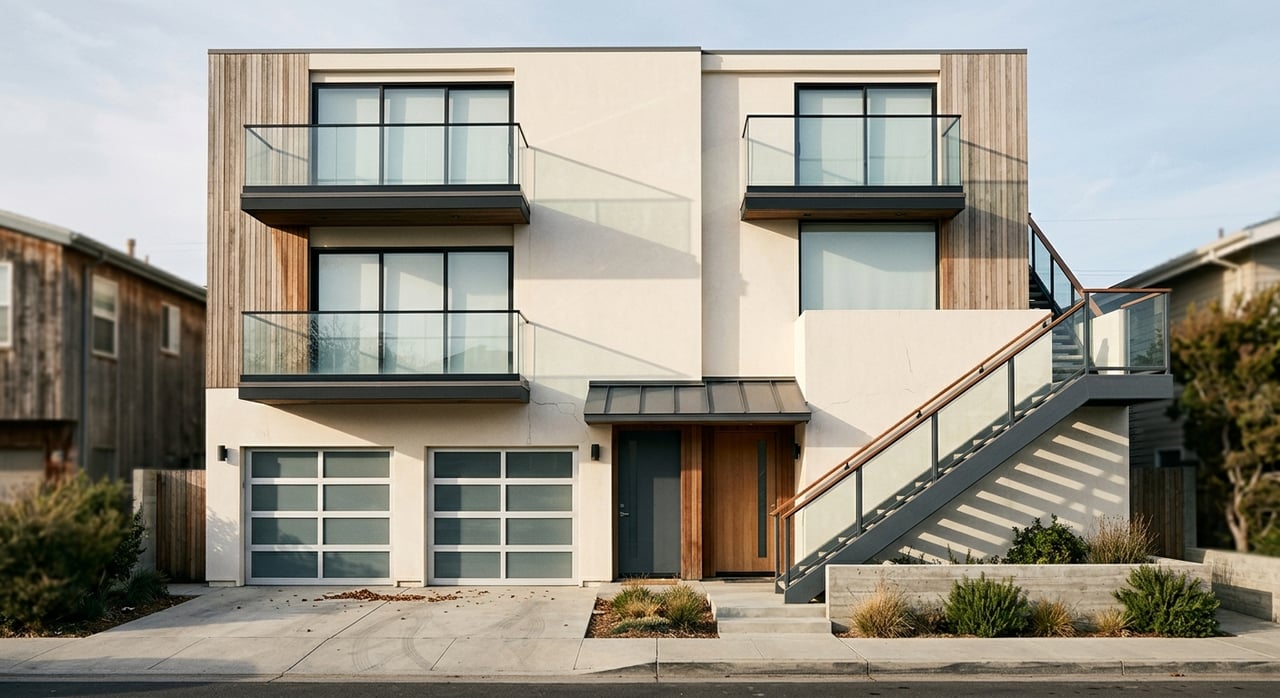
Are you thinking about buying a duplex, triplex, or other income property near the beach in Manhattan Beach? The Sand Section can look simple from the outside, but this is a very specific coastal submarket where lot size, parking, permitting, and property setup often matter just as much as location. If you want to understand what makes multi-unit and income homes here different, this guide will help you focus on the details that shape long-term value. Let’s dive in.
Why the Sand Section stands apart
The Sand Section is not just another rental market in Los Angeles County. Manhattan Beach is a compact coastal city with about 2.1 miles of beachfront, a 2024 population of 33,453, and a median household income of $193,904, which helps explain why demand here is tied closely to coastal access and limited supply.
For income-property buyers, that local context matters. The city identifies the Sand Section as one of Manhattan Beach’s distinct neighborhoods, and the broader Coastal Zone has very little room for large new housing projects. According to the city’s housing analysis, there are no large vacant lots available for housing complexes within the Coastal Zone, so many opportunities come from redevelopment, repositioning, or careful evaluation of existing small buildings.
Which property types matter most
In the Sand Section, the most relevant income properties are usually smaller-scale buildings. That often means duplexes, triplexes, and modest apartment-style or condo-style buildings rather than large institutional multifamily projects.
City zoning materials show that multifamily dwelling units are permitted in several districts, including RM, RH, and RPD. In those zones, projects with five or fewer units are generally permitted by right, while six or more units move into a more formal approval path. In practical terms, many buyers will find that the local inventory tends to be smaller and more limited in scale.
Why small buildings are common
The Sand Section’s development pattern has long reflected small lots and compact buildings. Historical city housing data notes that attached units in beach areas were often built as numerous small developments with only a few units.
That pattern helps explain why so many income opportunities here feel highly individual. One building may work well as a long-term hold, while a seemingly similar property nearby may have a very different parking layout, unit mix, or permit history.
ADUs and JADUs as added potential
Accessory dwelling units can also be part of the conversation. Manhattan Beach updated its ADU and JADU regulations in 2025, and the city states that ADUs meeting state rules are permitted in areas zoned for single-family or multifamily residential uses.
That said, it is smart to treat ADU or JADU potential as supplemental upside, not guaranteed value. You still need to evaluate the specific parcel, layout, and permitting path before assuming extra income.
Lot constraints can shape value
In the Sand Section, raw square footage never tells the whole story. Coastal development standards are compact, and the city’s zoning analysis shows area standards that include a 30-foot minimum lot width, 5-foot front setbacks, 30-foot maximum heights, and usable open-space requirements tied to unit size.
The takeaway is simple: lot geometry matters. A property’s width, parking access, existing improvements, and ability to function well on a tight site can have a major impact on usability and future plans.
Parking is a major factor
Parking can be one of the biggest constraints for multi-unit homes in this part of Manhattan Beach. The city requires multifamily apartments to provide two parking spaces per unit, including one enclosed space, and in Area District IV both spaces must be enclosed. Condominium parking rules are also substantial and may include guest-parking requirements and limits on tandem use.
For you as a buyer or owner, that means parking should be verified early. It can directly affect how many legal units a lot can support, how practical the building is for tenants, and whether future changes are realistic.
Public parking pads are not private parking
This is an easy detail to miss if you are new to the area. Manhattan Beach states that parking pads in the Sand, Dune, and Tree sections are public parking spaces in the right-of-way and must remain open to the public.
You should not assume those spaces function as reserved private parking for a property. That distinction can change how you evaluate convenience, tenant expectations, and the true operating setup of a building.
Coastal permits affect timing
Because the Sand Section sits within a coastal environment, permits can be a big part of the ownership story. The city says projects in the Coastal Zone require a Coastal Development Permit unless exempt, and the city can issue those permits locally under its certified Local Coastal Program.
That local process can help streamline things compared with a more distant approval path, but it does not remove complexity. If you are planning upgrades, reconfiguration, or an ADU, permit timing and feasibility deserve a close look before you make assumptions about value-add potential.
How to think about rents
The Sand Section is clearly part of a high-cost market, but rent analysis needs context. Census QuickFacts reports a 2020 to 2024 median gross rent of $3,449 in Manhattan Beach. Other citywide rental signals vary by product type, with apartment-style averages generally offering a more useful benchmark for smaller multifamily properties than broader all-property averages, which can be skewed by luxury detached homes.
That distinction is important when you underwrite a deal. A multi-unit property near the beach should usually be evaluated against the most comparable apartment or small-building inventory, not against citywide luxury home rental figures.
Stable demand, limited turnover
Manhattan Beach also shows signs of housing stability. Census QuickFacts reports that 90.4% of residents lived in the same house one year earlier during the 2019 to 2023 period, suggesting relatively low turnover.
Older city housing analysis also found that beach areas historically had higher vacancy rates in part because some units were held for seasonal or occasional use. Together, those points suggest that vacancy and demand can be shaped by both year-round residential stability and the unique coastal use patterns of the area.
Short-term rental rules are separate
If you are exploring income potential, short-term rental assumptions need extra care. Manhattan Beach says short-term rentals are allowed only within the Coastal Zone, require a business license, and are subject to a 14% transient occupancy tax. Leases of 31 days or more are not treated as short-term rentals.
This is why it is risky to build a purchase strategy around vacation-rental income without confirming the property’s specific status. Coastal Zone location, local licensing rules, and tax obligations all need to be reviewed first.
Key due diligence before you buy
A strong Sand Section purchase is often about avoiding the wrong assumptions. Before you get too far into projections, make sure you review the property through a local, property-specific lens.
Focus on these checks
- Confirm whether the parcel is in the Coastal Zone.
- Review the current zoning and how the existing use fits that zoning.
- Verify the number, type, and legality of parking spaces.
- Check whether any apparent parking relies on public right-of-way pads.
- Evaluate whether ADU or JADU potential is realistic under current city rules.
- Review permit history if you are considering remodels or reconfiguration.
- Ask about infrastructure condition, especially for older properties, since the city’s sewer master plan notes some older ceramic-lined concrete pipe remains in the Sand Section.
Best way to view these properties
In many cases, Sand Section income homes are best understood as scarce coastal assets first and rental properties second. Limited vacant land, beach proximity, tight physical standards, parking rules, and coastal permitting all influence long-term desirability.
That does not mean income does not matter. It means the strongest opportunities are often the ones where location, configuration, code compliance, and realistic operating expectations all line up.
If you are weighing a purchase, sale, or long-term hold in the Sand Section, local block-by-block insight can make a meaningful difference. For tailored guidance on Manhattan Beach coastal properties, investor considerations, and long-term asset strategy, connect with Rachel Ezra.
FAQs
What types of income properties are most common in the Sand Section of Manhattan Beach?
- Duplexes, triplexes, and other small multifamily or condo-style buildings are the most common income-property types discussed for the Sand Section.
Do Sand Section properties in Manhattan Beach allow short-term rentals?
- Short-term rentals are allowed only within the Coastal Zone, and they require a business license and are subject to a 14% transient occupancy tax.
Why is parking so important for multi-unit homes in the Sand Section?
- City parking requirements for multifamily properties are substantial, and parking pads in the Sand Section right-of-way are public spaces, not private reserved parking.
Can you add an ADU to a multi-unit or single-family property in Manhattan Beach?
- Manhattan Beach says ADUs that meet state rules are permitted in areas zoned for single-family or multifamily residential uses, but each property still needs case-by-case review.
What should you verify before buying an income property in the Sand Section?
- You should confirm Coastal Zone status, zoning, legal parking, permit history, and whether any future income plan depends on assumptions that have not been verified with the city.